Handlebar switch restoration

If you look at a lot of restored vintage bikes, you may notice that even some very nicely restored bikes have switch gear that looks okay but you can tell that the switches were not fully refurbished to the same level as the rest of the bike. I plead guilty to doing this myself because the switches are full of little tiny springs, detent balls, delicate soldered connections etc. and if a single piece gets lost or broken your switches are ruined. Since I am putting so much effort into my current 1972 Honda SL100 project I could not settle for anything less than a full on handlebar switch restoration to make the whole bike look as new as possible. If something had gone wrong I was prepared to spend the money on a set of new old stock switches to replace them.

Handlebar Switch Restoration

Before beginning your handlebar switch restoration clean off your workbench and the floor around it & under it, so that if any of the tiny parts fall out or go flying you at least have a chance of finding them.  Keep a magnet close by in case you need it. Also remember that sometimes the old plastic knobs & buttons often become fragile with age so be careful handling them.

Handlebar Switch Restoration

Take a few minutes to study how the wires & switches are placed & secured in the housing, and then remove the retaining screws & plates. You should also look at and remember how any tape or sleeves are applied to the wires in the housing to protect them from chafing.

In the picture below you can see a detent ball sitting on top of the black slider for the headlight controls, there is a spring under this ball that can (and did) send it flying so use caution to be sure you don’t lose any parts.

Handlebar Switch Restoration

Once I pulled the e-clip off of it, the engine stop switch and its wiring could be removed through the top of the housing. Go ahead and completely remove all of the switches, wiring, & clips from the housings.
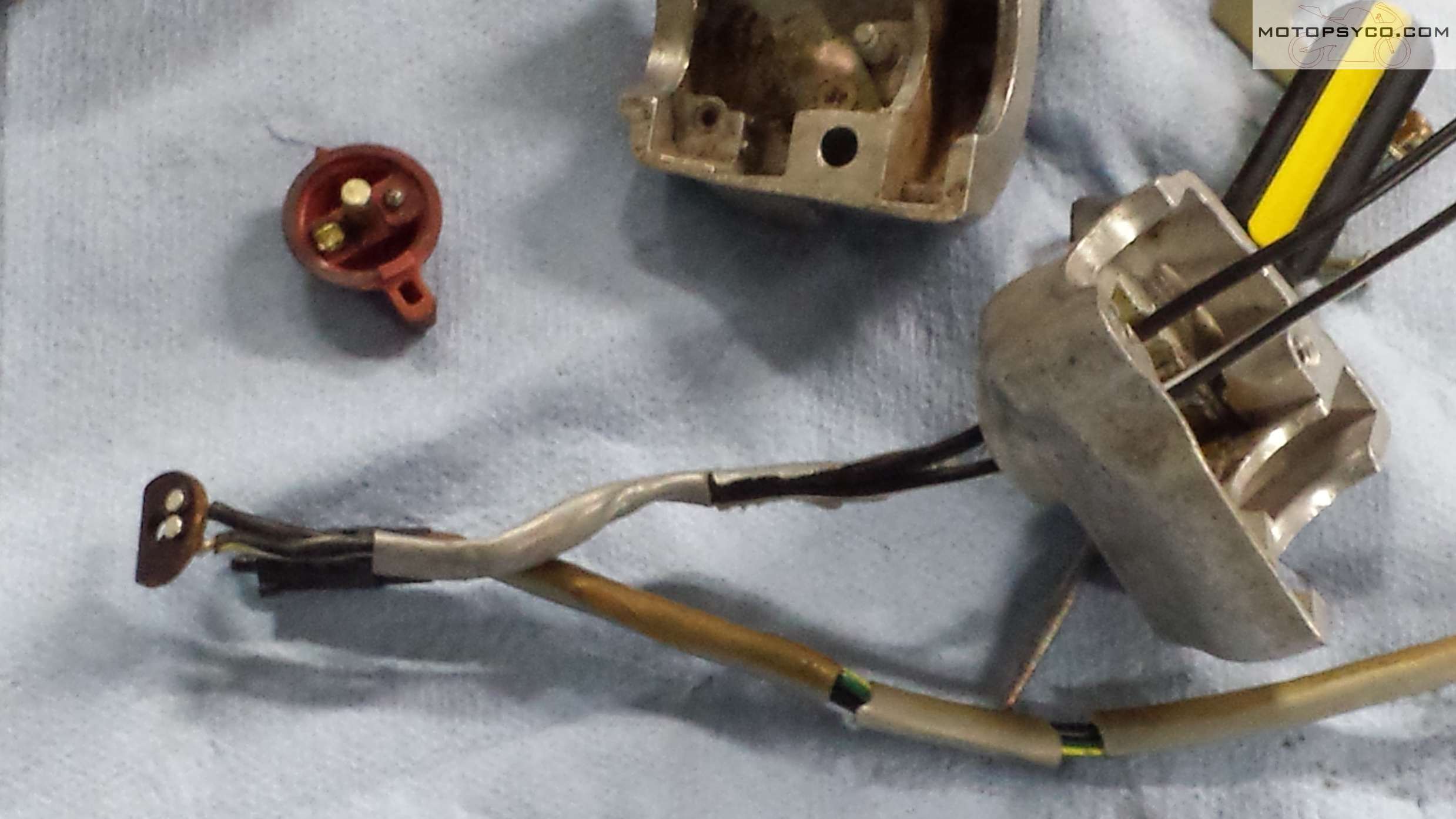
Handlebar Switch Restoration

If you have any damaged threads or broken screws in the housings now is the time to deal with that. In this case the throttle stop screw was snapped off in the bottom of the housing so I had to drill it out and tap the hole. You’ll notice that there are magnetic rubber vise jaws attached to my vise. These are an absolute necessity for doing this kind of work without damaging your parts.

Handlebar Switch Restoration
click here for padded jaws for your vise

With your switch housings stripped bare & all repairs made now is the time to clean them up. I use my vapor blasting machine because no other method I know can restore a factory new appearance to old aluminum the way vapor blasting can. If you don’t have access to a vapor blaster you can send your parts to me & I can do it for you. See my vapor blasting page for rates & information.

vapor blasting & Handlebar Switch Restoration

After everything was repaired & cleaned I painted the stop switch with a little spray paint and used an oil paint marker to paint the red lettering & dots as you can see below. For more information on this technique click this link to see my previous post on emblem & badge refurbishment.

Handlebar Switch Restoration

Now that everything is clean & new looking gather up the supplies & tools you need for reassembly. At the least you’ll need some new wire sleeves, tape to match the sleeve, JIS screwdriver, a small pick, some grease, the finest point needlenose pliers that you own, some tweezers, a sharp knife and a multimeter. Depending on what you are working on you may need more or less tools than these, for example if you have a broken wire connection a soldering iron might be needed.

tools for Handlebar Switch Restoration

Carefully reinstall all of the parts in reverse of the order you removed them. Take time to tape & sleeve wires as needed because you might not be able to after everything is back together. Be sure to watch out for flying springs etc. during reassembly, it’d be a shame to get this far and lose a critical part. Work slowly & stay as relaxed as possible when doing delicate work like this.
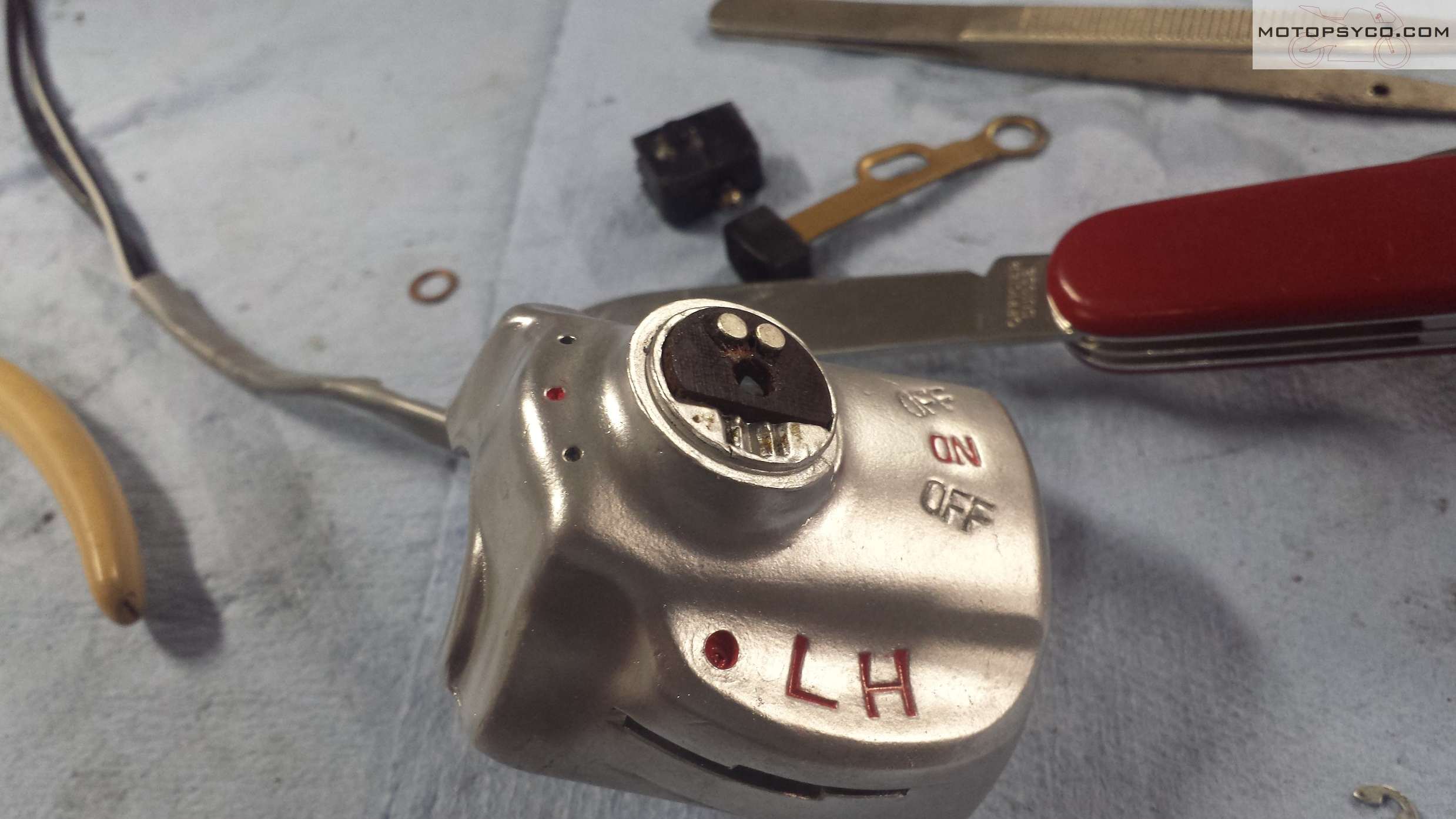
Handlebar Switch Restoration

The final step of handlebar switch restoration is to test the function of all of the switches using either the ohmmeter or diode tester function of your multimeter.  If everything is working great you are ready to reinstall the switch gear to your motorcycle. If not, it’s a whole lot easier to fix it now than after putting the bike back together.  This is especially if the wires are going to be inside of the handlebars.

test the Handlebar Switch Restoration

I hope that you’ve enjoyed following along while I completed my handlebar switch restoration. The next post that I have planned will show how I measured & drilled the holes in my handlebars for the wiring to pass through.

completed Handlebar Switch Restoration
Ready to install!

Until then, Peace Y’all

1928 BSA Sloper “Ameila”

Every now & then you get the pleasure of seeing a truly rare old bike that is unusual even amongst pre-WWII antiques. This 1928 BSA Sloper is such a motorcycle. First built in 1927 the BSA Sloper features an overhead valve 493cc four stroke single engine with approximately 20 horsepower.

BSA Sloper at Rails & Roads
1928 BSA Sloper

It’s amazing how elegant these old bikes look and it’s hard to believe that this was considered to be a utility machine when it was introduced. Top speed is a reasonable 75 mph, with front and rear drum brakes to bring it to a stop. The rigid frame is fairly typical of the time with steel tube construction.

28 BSA Sloper green
28 BSA Sloper left side

Leading the way up is a sprung girder front end, the seat is generously sprung to compensate for the lack of rear suspension. I really love the small details on the old bikes like this one. Here (below) you can see the exposed intake valve spring visible over the top of the AMAL carburetor that has a side mounted fuel bowl.

BSA Sloper
AMAL carb on BSA Sloper

This next shot gives you a close up of the fuel tank and gear shifter The green paint with gold striping is gorgeous and of course I really like the BSA logo with the 3 rifles.

BSA Sloper

I’d like to thank the owners for making the trek to South Carolina to bring this bike to the Rails & Roads Show and allowing me to feature it here. This machine was restored in Europe and imported to the U.S. in 2017. I even have a link to the video giving the start up procedure to show.

 I sincerely hope you have enjoyed seeing this 1928 BSA Sloper, let me know what you think in the comments and remember if you appreciate what I do here and you like to shop on Amazon you can click on the ad links to help support this site.                                                                                                             Peace Y’all

2nd Annual Rails & Roads Show Results!

Now that the 2nd Annual Rails & Roads Show is in the history books it’s time for me to let those of you who weren’t able to make it or stay to the end what happened.

Rails & Roads Show Honda TL250

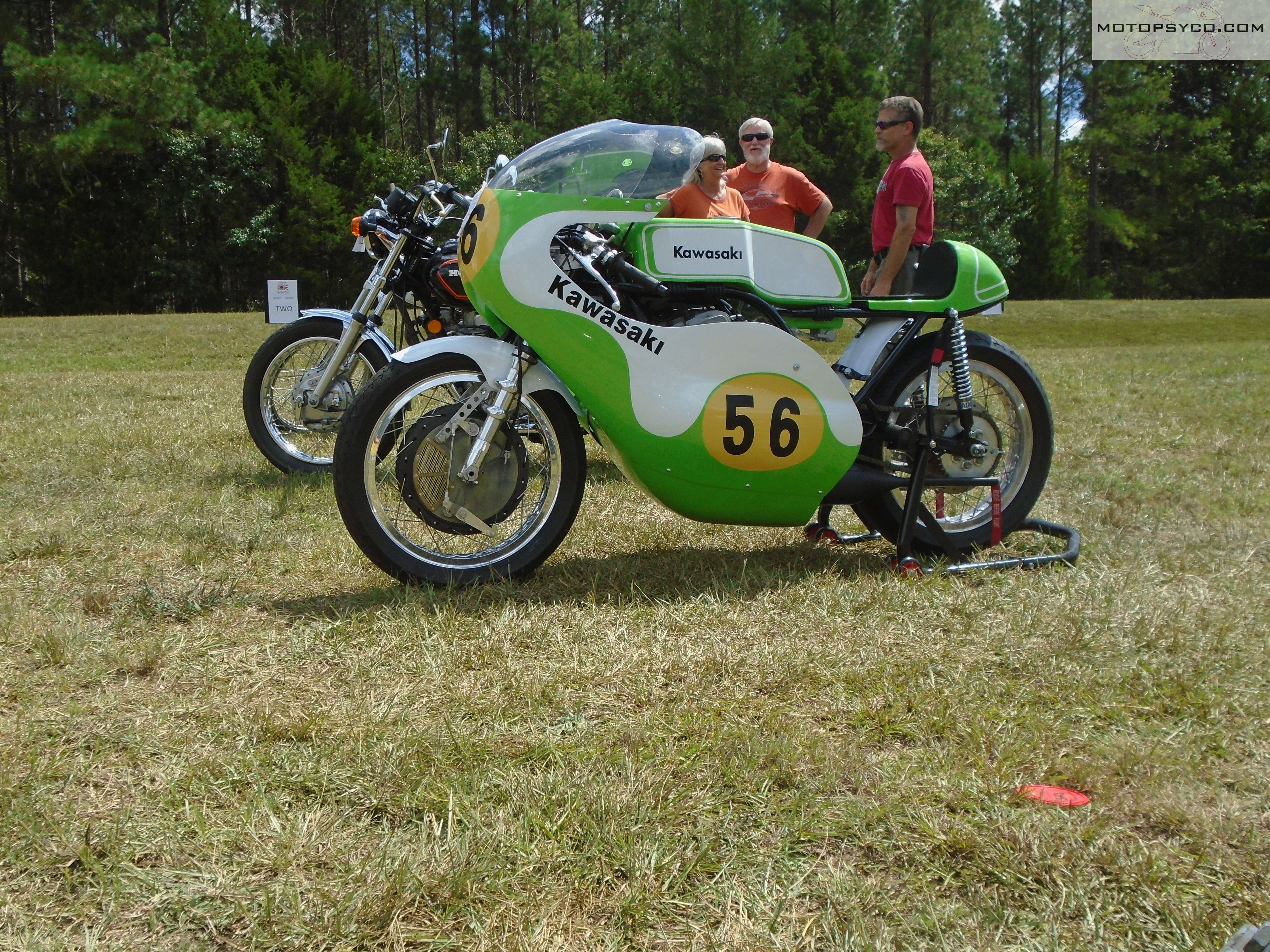
Last year we didn’t have any Kawasaki motorcycles at all but this year Team Green was well represented by some fantastic machinery including an H1R road racer

H1R Rails & Roads Show

First I’d like to thank everyone who came out & brought a bike. Second I’d like to thank our generous sponsors & door prize donors;

1. The Motorcycle Law Group      
2. Carolina Honda    
3. T&T Distributing
4. Grainger    
5. Bryan Bentley (Swamp Fox Motorcycle Restoration)

Over 300 people cast ballots for their favorite motorcycles in each category this time. Thank to all of you as well. Some of you may have noticed that on show day I was a little bit sick as I’m suffering from a sinus infection that made speaking and thinking difficult so I apologize if I made a mistake or 2 . Without any further ado let’s get to the results of this years show.
Rails & Roads Show Harley Davidson

Class 1; American

In the right of the photo above is our third place winner, the 1989 Harley Davidson FLHTCU of Glenn Black. On the left side of the photo is the Second place winning 1977 Harley Davidson XLCR owned by Keith Seymour. First place went to the stunning red 1952 Harley Davidson K model that belonged to Carl Senne shown in the center above. Unfortunately no Indians ,Popes or Excelsior Hendersons made the show this year.

Rails & Roads Show BSA Sloper

Class 2; British/European

Last year this class had a good mix of iron from across the pond, but this year only 1 Moto Guzzi showed up to stave off the British domination of the class. Third went to Ben Doar’s 1966 BSA Thunderbolt. In second place was the 1969 BSA Thunderbolt of Scott & Robin Dials. First place went to the bike featured above, an immaculate 1928 BSA Sloper owned by Robin & Scott Dials.

Rails & Roads Show Honda

Class 3; Japanese 1-200cc

This tends to be my favorite class probably because I own at least 4 or 5 small displacement machines. Third place went to Gene Morgan and his 1983 Yamaha MX100. Everybody loves a Honda CT70 and Dan Mcqueen took 2nd place with his very nice 1973. First place went to bike pictured above, the exquisitely restored 1965 Honda CB160 belonging to Bryan Bently

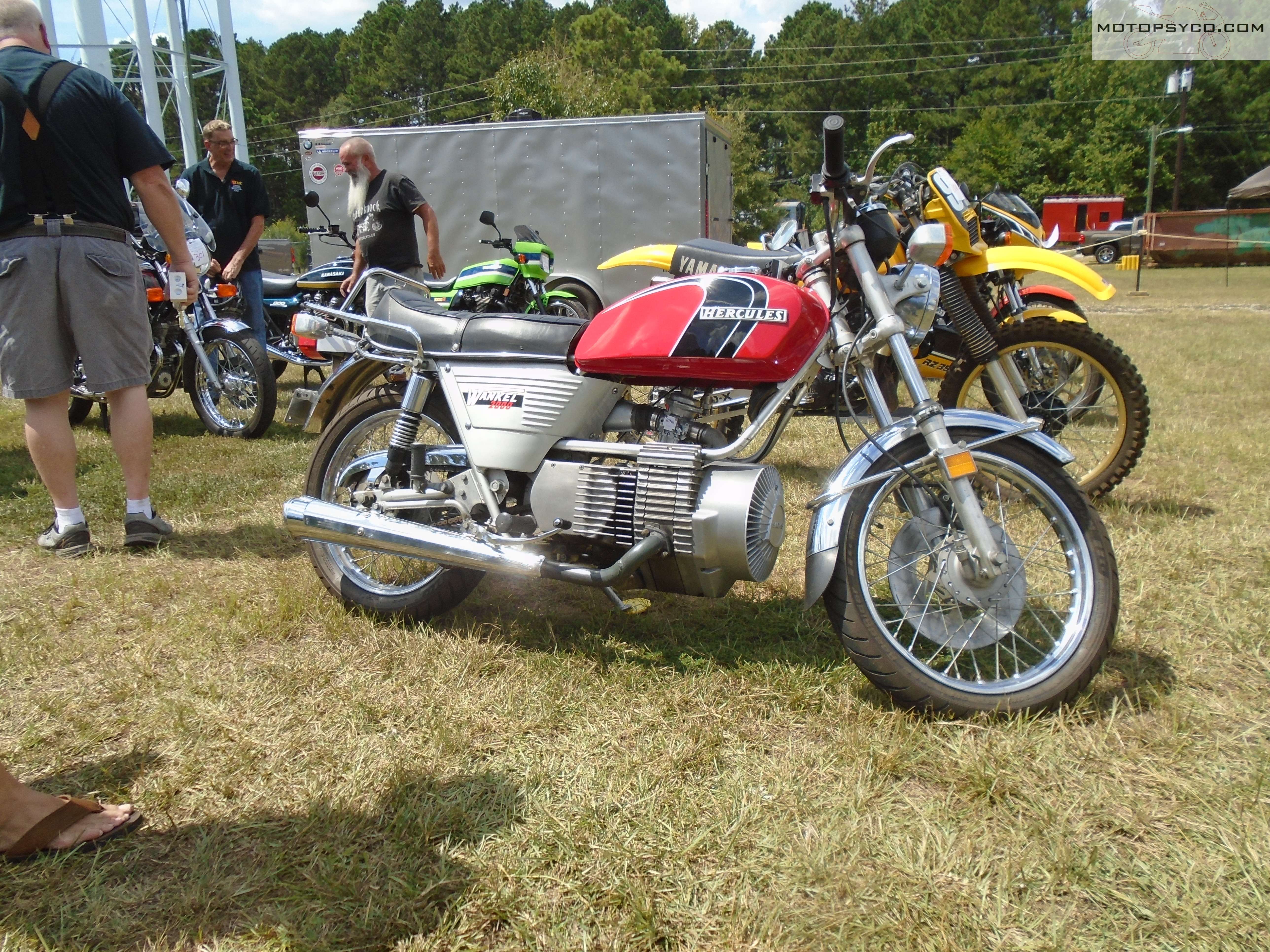
Rails & Roads Show Hercules

Rails & Roads Show H1 Cafe Racer

Class 4; Japanese 201-600cc

Folks I have a confession to make, I really screwed up this class & that’s why you see 2 pictures above. It was hot that day, and if you were there you know that I was sick but there really was no one that I could hand my responsibilities off to. A serious clerical error was made while I was in a fog of antihistamines & borderline heat stroke. I was so excited to see the Hercules & it’s Wankel engine that when I asked the displacement the owner said it was 300cc, so my fevered brain stuck it into the Japanese medium size class. Hercules is an orphan brand but it’s a German brand not Japanese. Even so the results of the voting will stand & I’m not going to change a thing, just wanted you to know how a German built motorcycle wound up winning a Japanese class. My apologies to anyone who is upset with me & I shall endeavor to do a better job in the future.

At any rate class 4 finished up like this third place went to the fantastic Kawasaki H1 of Chip Tucker. In second place was the fantastic 1971 Kawasaki H1 of Mike Mcsween, (see above) In first place was the 1975 Hercules of Ryan McKeitham

Rails & Roads Show Kawasaki

Class 5; Japanese 601cc & up

These are the big boys, and there were some truly heavy hitters at the Rails & Roads Show this year.  No Kawasakis were present last year but this year they made up for it with a vengeance.

3rd place in this class went to Kent Mangold’s 1979 CB750. 2nd place went to Chip Tucker and his gorgeous 1975 Kawasaki Z1B. Chip also took home the first place trophy with his 1983 Kawasaki KZ1000 Eddie Lawson Replica.

Rails & Roads Show custom cb350

Class 6; The Motorcycle Freak Show

Open to any truly custom motorcycle from anywhere this years class had winners from 3 different countries. From China was the Hardknock Kikker of Mike Krenger in 3rd place. From England came the 1969 Triumph TR6 of Steve Pope and the 1st place trophy went to well done Bratstyle 1972 Honda CB350 owned by Dave Mims

Last years best of show winner was a highly customized Honda but this year it went to the beautiful old 1928 BSA that won the British /European class. I’d like to thank the Dials for bringing it to the Rails & Roads Show, and we hope to see you again next year.

Rails & Roads Show Fundraiser

Let’s not forget the important part, we were able to present the South Carolina Railroad Museum with $501 in donations to go towards their operational expenses. And we are making plans for 2019 but are planning to move the event a little deeper into the fall to hopefully avoid the scorching hot temperatures next year.

SC Railroad Museum

Restoration in progress at the SC Railroad Museum


Vapor Blasting NOS Parts

Vapor Blasting NOS Parts

Confession time, on of my favorite things about the whole antique & vintage motorcycle restoration business is hunting down good deals on new old stock parts. It’s astounding what you can find for these old motorcycles sometimes. The  joy of finding these 30, 40, or even 50 plus year old gems is often dulled by the fact that when you get them, they look old. Now this may be fine if you’re replacing parts on an original machine with a bit of patina as they will blend right in. But if you are doing a full restoration this just wont do. Let me give you a couple of examples using some parts that I have recently purchased for my current personal project a 1972 Honda SL100 K2. These will illustrate why I recommend vapor blasting NOS parts. When I removed the fork top bridge from the bike, one of the fork tube clamps had broken completely off. A brand new one was sourced on Ebay for a reasonable price, and this is how it looked when I took it out of the box.

Vapor Blasting NOS Parts

NOS top bridge before vapor blasting.

It’s just a little dull & oxidized, plus it has a little bit of magic marker writing on it. Even though it’s obviously 100% new & unused it still looks old, so I put it through the vapor blaster. 15 minutes later it looked like this (below)

Vapor Blasting NOS Parts

NOS top bridge after vapor blasting.

Vapor blasting NOS parts does not give them a polished finish. What it does is restore the aluminum so that it looks like it was freshly cast. Because this process has a light peening effect it closes the pores on the aluminum so that it stays cleaner longer. No clear coat is needed just occasional cleaning.

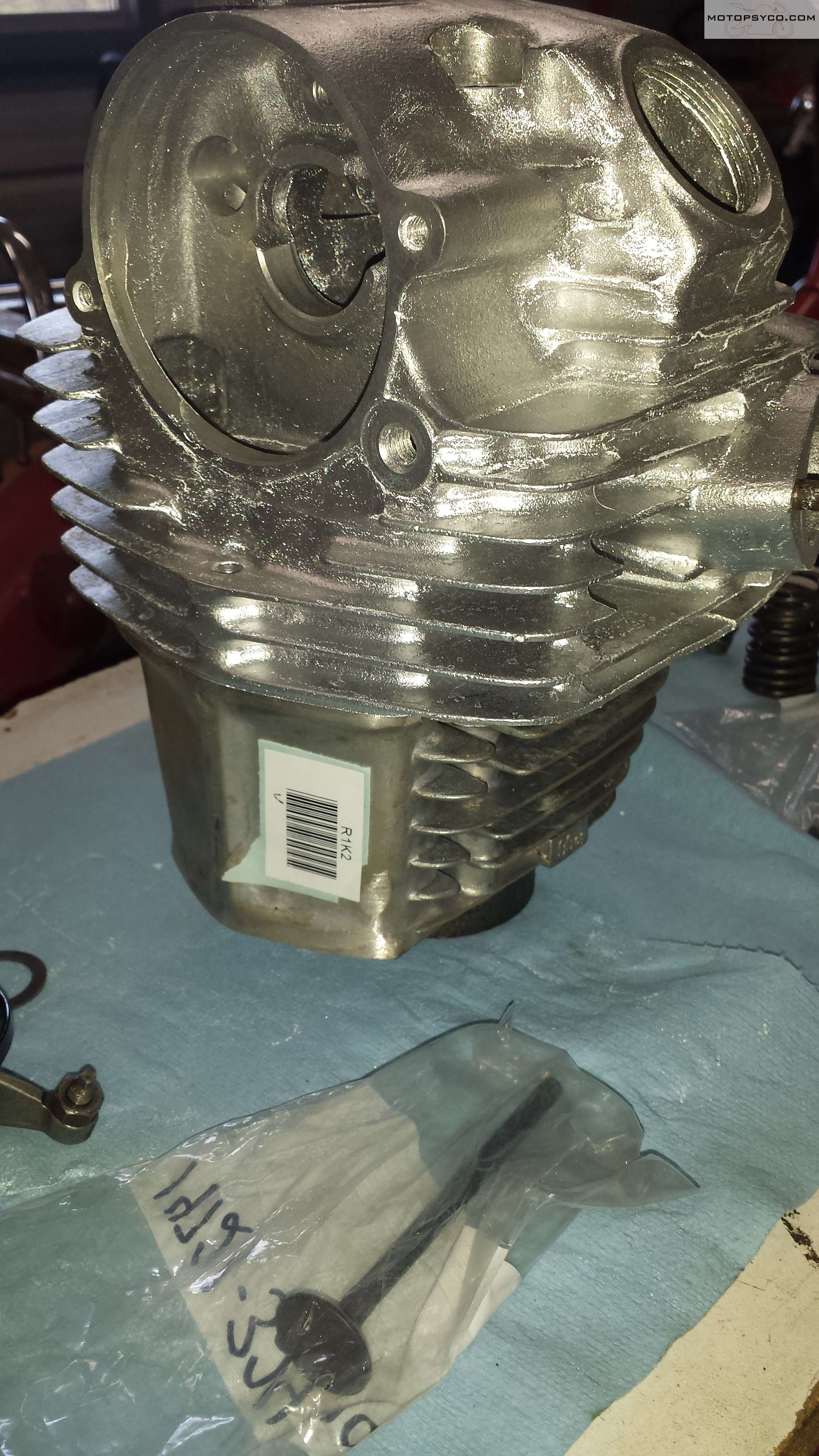
Here’s another example, a freshly vapor blasted cylinder head sitting on top of a brand new old stock cylinder. The new cylinder looks positively dull & dirty compared to the head, so after I finished all my clean up honing, ring gap checking etc. I ran the cylinder through my vapor blaster to clean up the appearance of it.

Vapor Blastin NOS Parts

NOS SL100 cylinder before vapor blasting.

If you look at the assembled engine below you can see how much better the cylinder looks and how well it matches the rest of the bare aluminum parts on this engine.

Vapor Blasting NOS Parts

Complete SL100 engine after vapor blasting.

Seriously if you’re performing a restoration on a motorcycle and you are not happy with the appearance of your new old stock aluminum parts find a shop near you that does vapor blasting.

The 2013 Bull City Rumble in Pictures

<Norton Commando Tank Art>

Who wants to ride this Night Train?

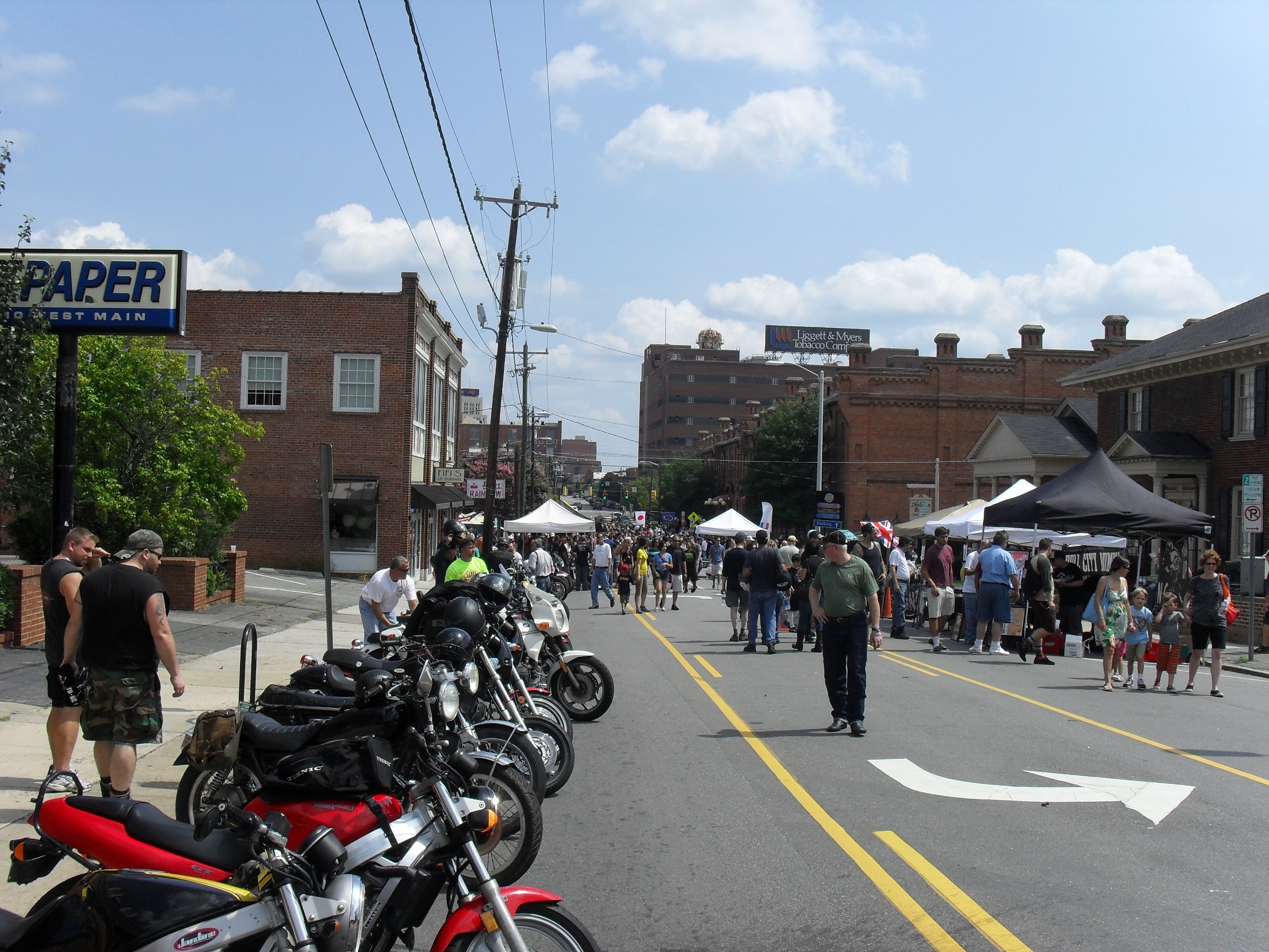
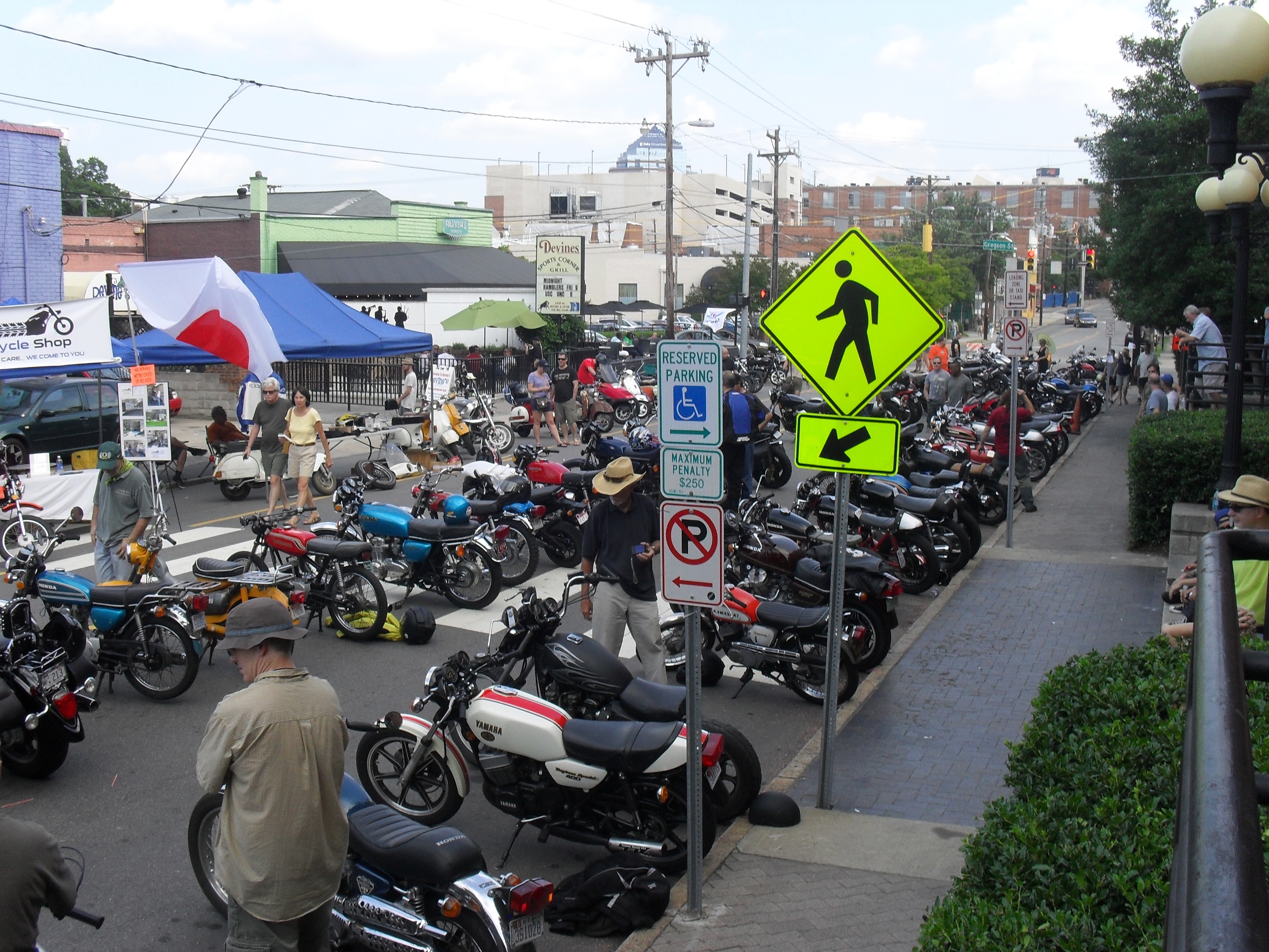
<at the Bull City Rumble>

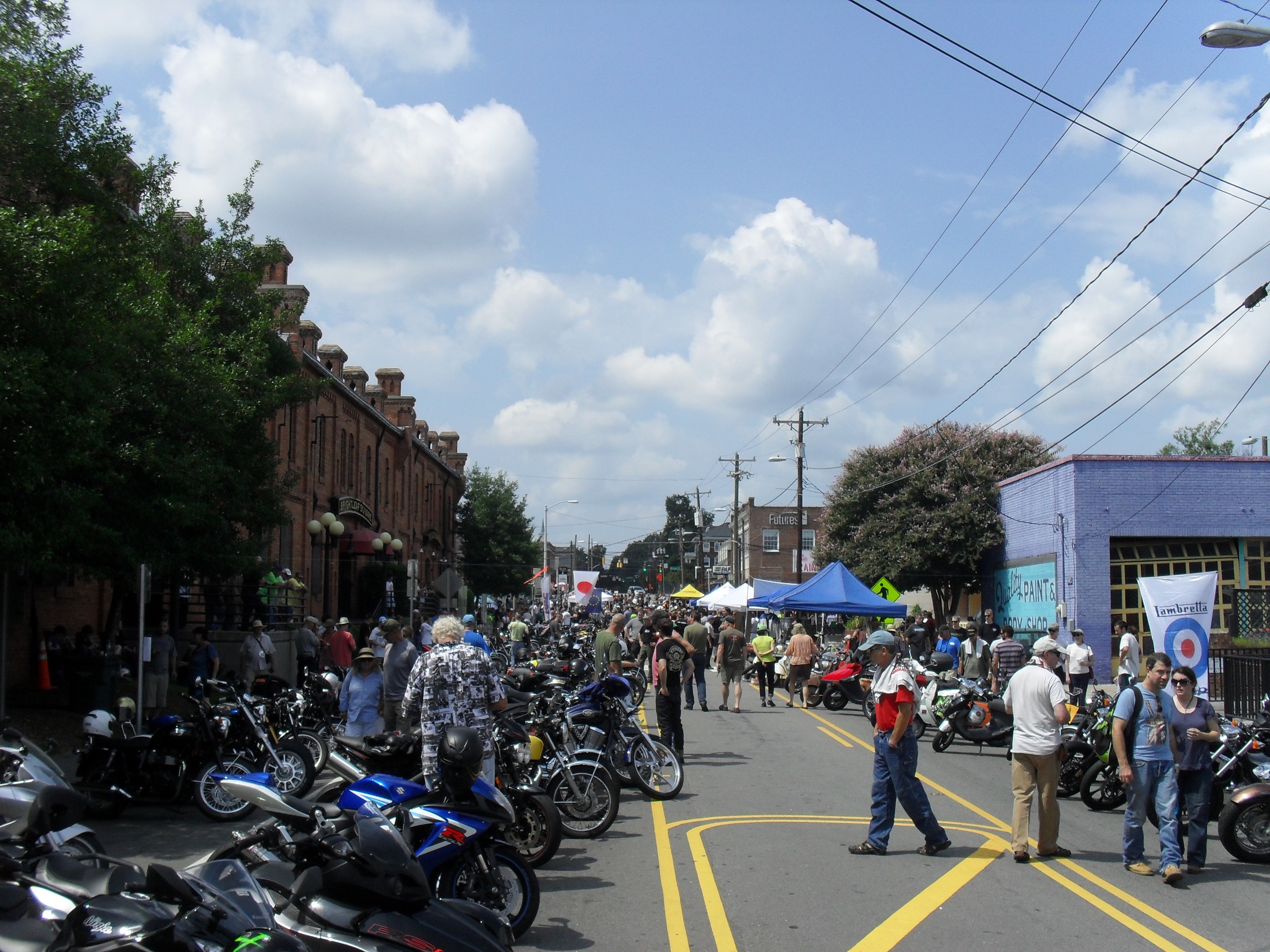
a look down the street

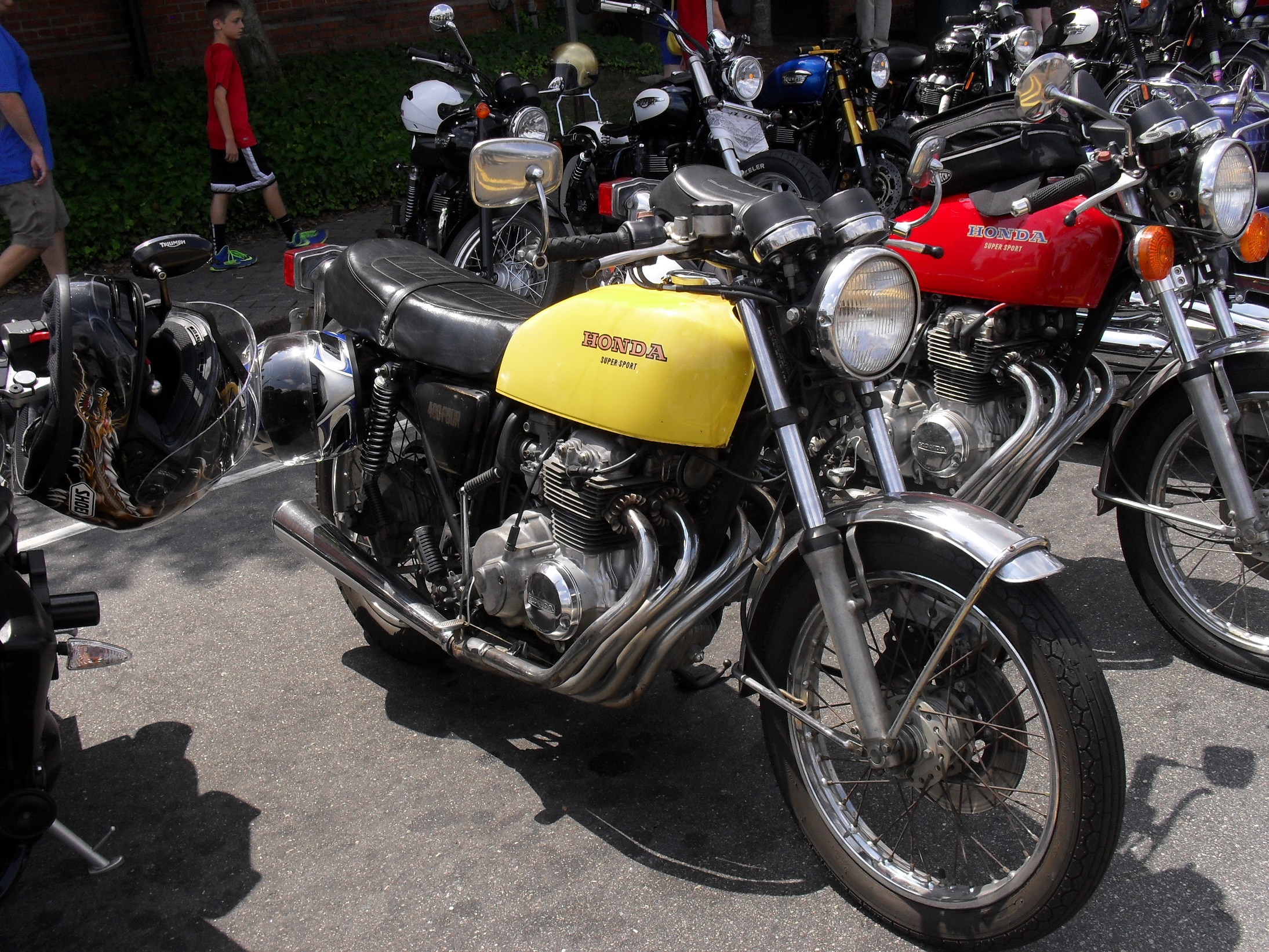
<a yellow CB400F>

The first of a pair of great looking CB400F Hondas.

<a red CB400F Honda>

a better view of the red one

<a far out Honda bobbber>

a spaced out Honda bobber

<wild chopped Honda>

the super low riding alien Honda

<kids love vintage scooters>

kids love vintage scooters

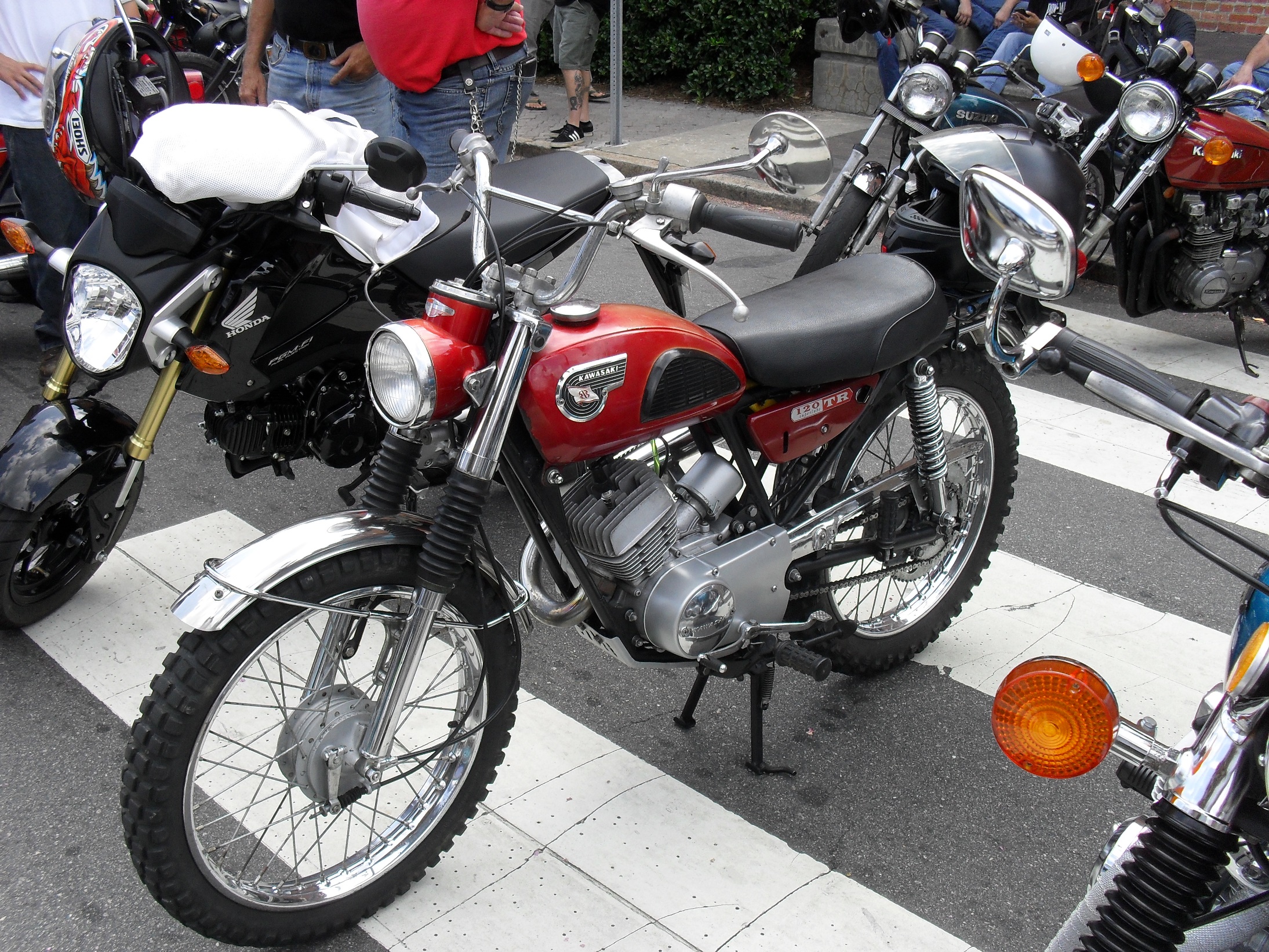
<Kawasaki 120TR Enduro>

Vintage Kawasaki Enduro

<street legal 50cc Suzuki>

Who else remembers street legal mini-enduros like this 50cc Suzuki

2 stroke Yamaha flat tracker

Check out the radial cylinder head!

<Yamaha XS650 street tracker>

a very well done Yamaha XS650 street tracker

other side of xs650

other side of xs650

organic transit pedal electric three wheeler

organic transit pedal electric three wheeler

rare Bimota Kawasaki

rare Bimota Kawasaki

Bimota Kawasaki

a better view of this exotic motorcycle

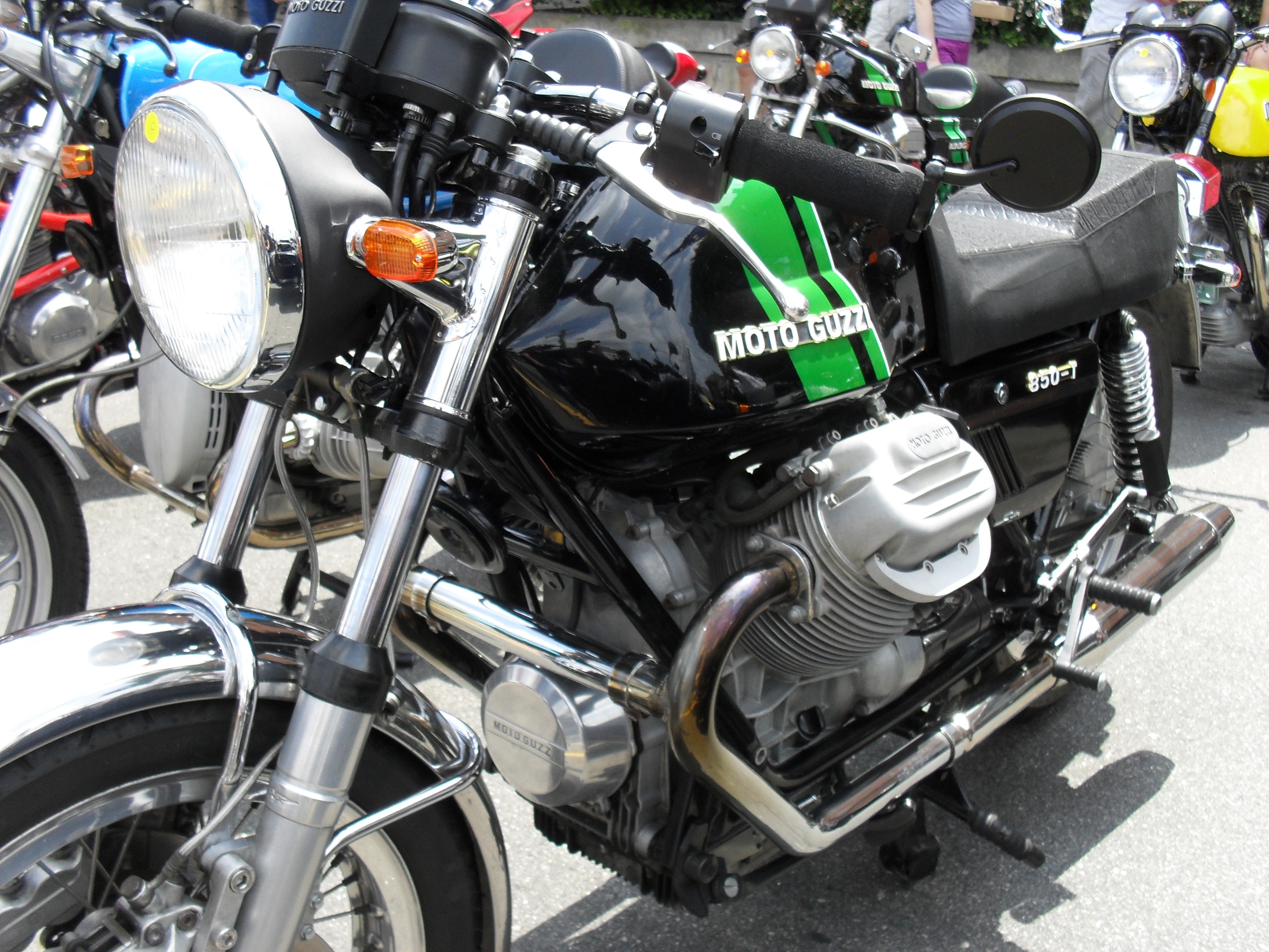
Moto Guzzi 850T

Moto Guzzi 850T

1935 Royal Enfield

1935 Royal Enfield original but not mint

35 Royal Enfield 500

35 Royal Enfield 500

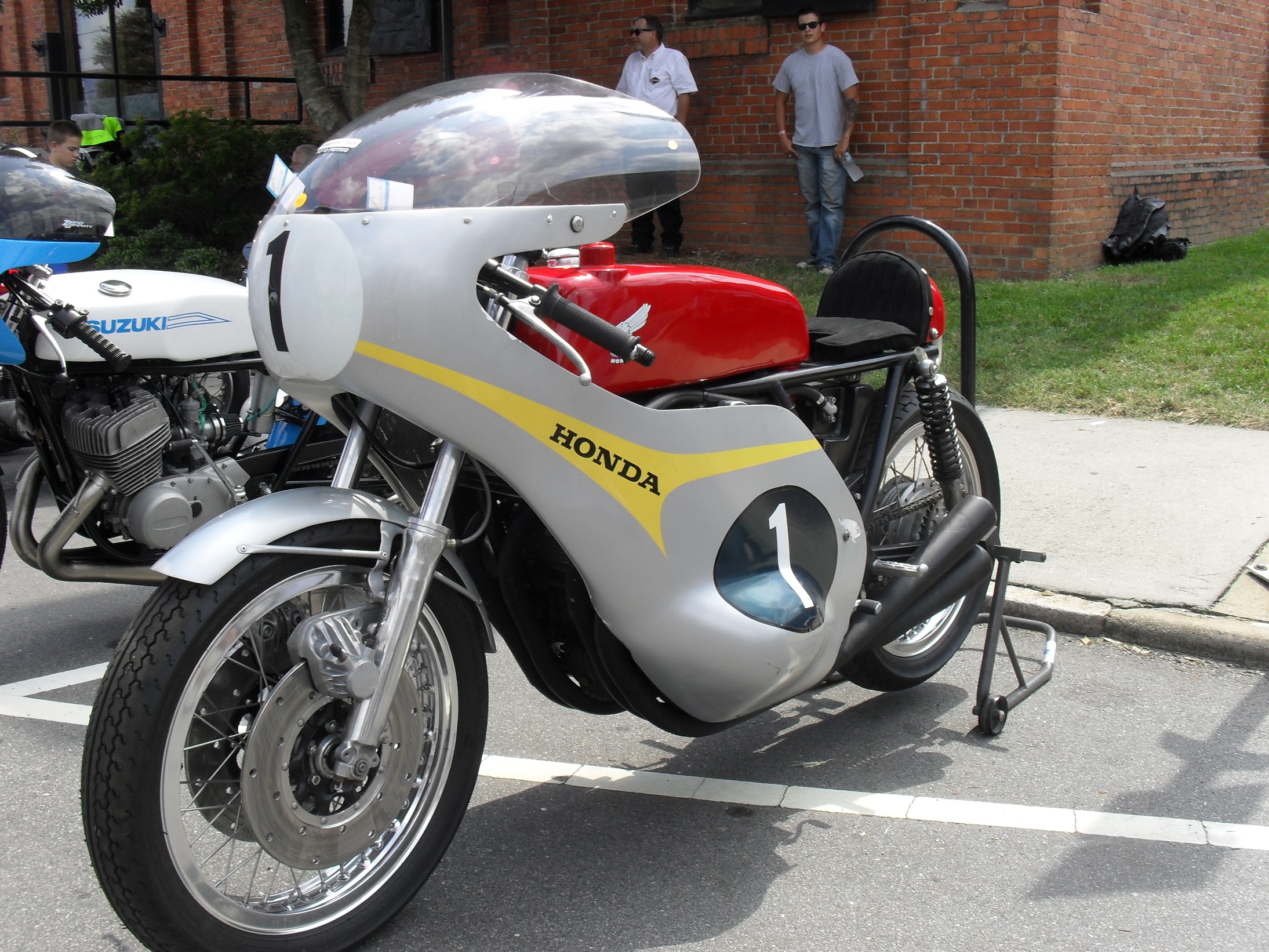
1982 National Champion Honda Superbike

1982 National Champion Honda Superbike

number 1 plate

it aint bragging if you really did it

sweet looking CR750 Honda

sweet looking CR750 Honda

Honda CR750

Got velocity stacks?

CCW Tha Heist

not in the show but too kool to ignore

 A row of British iron.

A row of British iron.

a tasty looking bathtub Triumph

a tasty looking bathtub Triumph

serious looking Norton Comando Interstate

serious looking Norton Commando Interstate

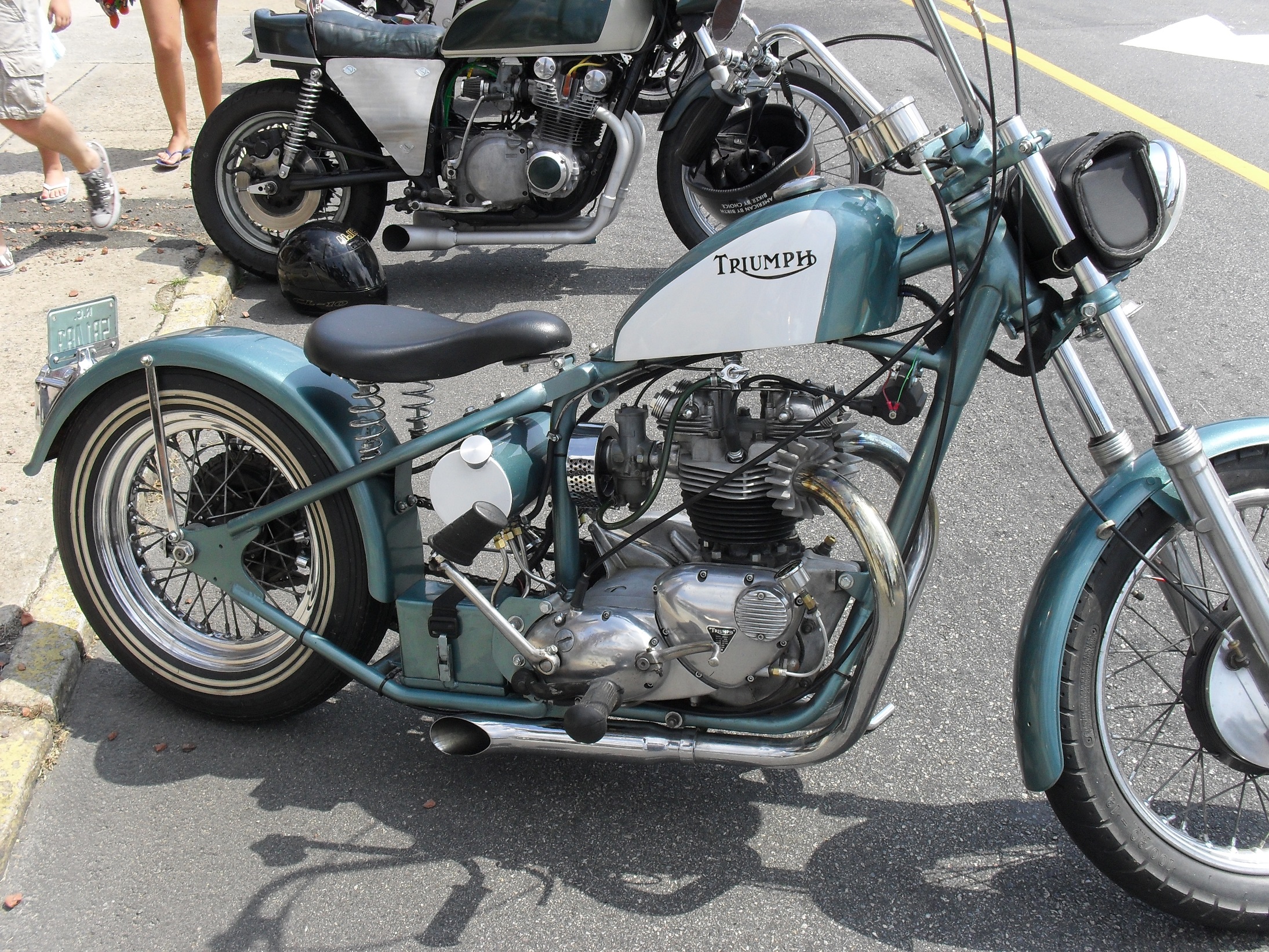
Triumph bobber

Triumph bobber

GS Suzuki

GS Suzuki

<a pic of down the street>

Henderson SuperX

Henderson Super X

super X engine

super X engine

nice red BSA

nice red BSA

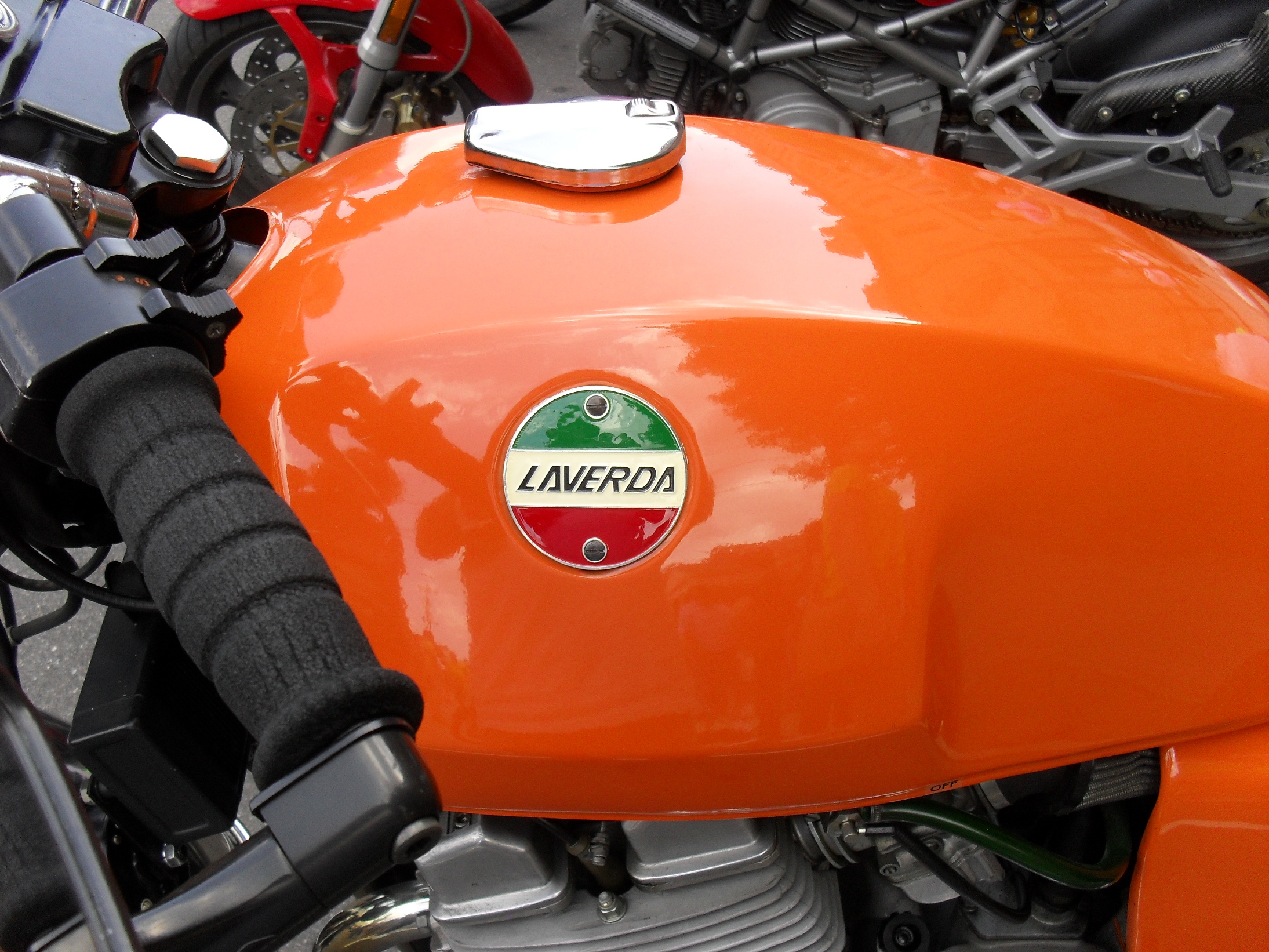
Laverda Jota

Laverda Jota

<Laverda tank close up>

a bevy of Italian beauties

a bevy of Italian beauties

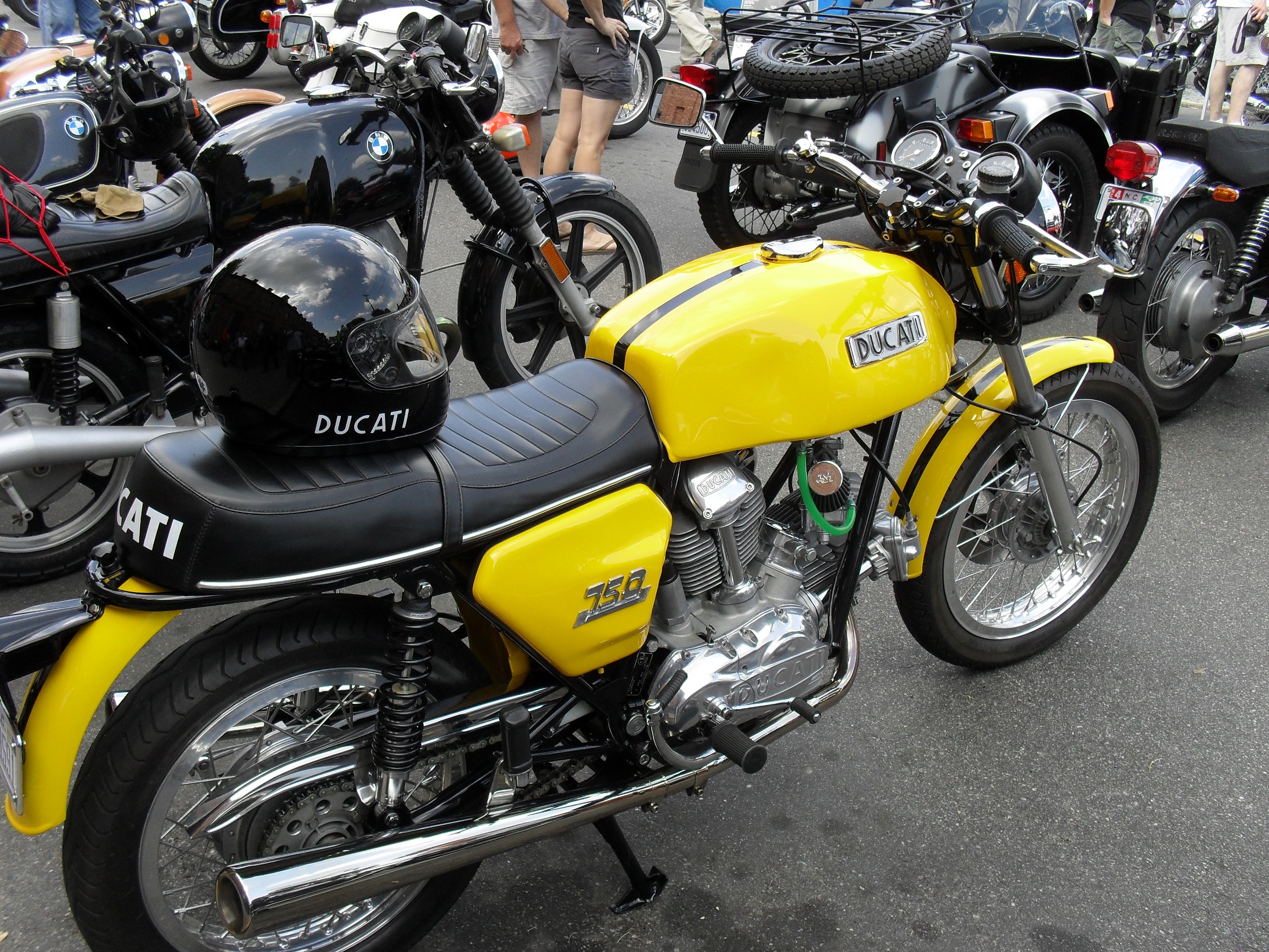
<bevel drive Ducati 750 Super Sport>

drool….

What a good looking engine.

What a good looking engine.

<registration tent Bull City Rumble

<randum bikes parked on the street>

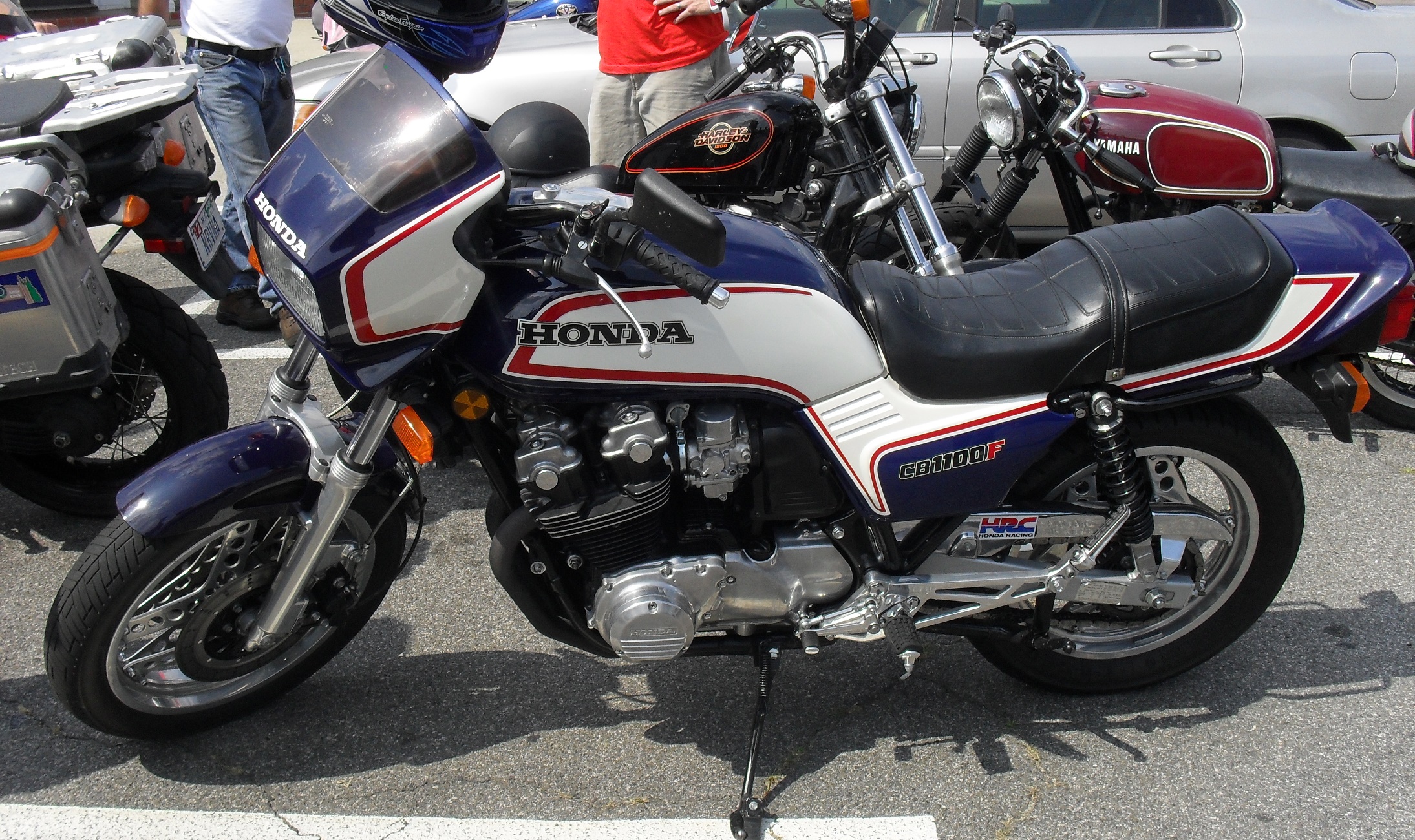
1983 Honda CB1100F

1983 Honda CB1100F

ratty old Triumph

ratty old Triumph

neat old Chevy

neat old Chevy

my CB650C and a nice CB750 Super Sport

my CB650C and a nice CB750 Super Sport

<Bull City Rumble 2013>

<Bull City Rumble 2013>

<Bull City Rumble 2013>

<Bull City Rumble 2013>

Random Tech Tip, Vintage Carburetor Intake Boots & Clamps

Today’s post is about those annoying rubber boots that attach your carburetors to the spigots on the head(s).

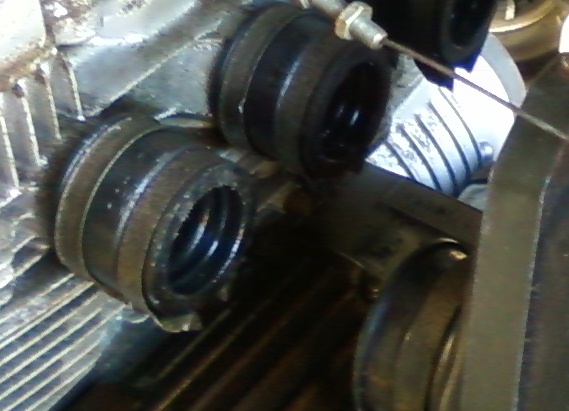
dry brittle old carb boots

dry brittle old carb boots

Often on old project bikes these are hardened and brittle, most of the time you can get the carbs out but it is almost impossible to get them back in. One thing that greatly helps is to take a heat gun and heat them up to soften them. Some people on the net have removed them and placed them in very hot water. Regardless of the method a small amount heat will help get them soft enough to reinstall the carbs. Just do not use an open flame or you will end up with a charred & useless mess. On some motorcycles these bolt to the head and on others they clamp to spigots cast into the head. If you are dealing with removal of old intake boots from a set of spigots like shown in the picture above prepare to be very patient. Don’t just grab a big screwdriver & start prying! First loosen & completely remove all of the clamps, then twist and pull them by hand until they will at least wiggle & turn on the spigots. If they still won’t come off you have to decide if it is worth the risk to pry them off. Choose your leverage points very carefully, if you have any doubt at all about being able to remove them safely or if you are working on a rare or valuable antique or classic machine this is where you break out a good sharp utility knife & cut them off. The cooling fins and other castings on most motorcycles are very thin and will often break before an old piece of dry rotted rubber will,so better to be safe than sorry.

intake manifold clamps

intake manifold clamps

Also be sure to look at the clamps when removing the boots. They are not just straight rubber hoses, often one end is bigger than the other, and the clamps are 2 different sizes as on this Honda CB650. The intake manifolds only fit one way but they have directional arrows on them, the clamps are not marked so be sure you note which ones go where.

That’s all for tonight, until next time have a fantastic life!