Why We Ride Film Motopsyco’s October Website of the Month!

<Whyweridefilm.com ValleyOfFire>

It’s worth going to the website just for the great pictures like this.

Whyweridefilm.com

Let me be up front with you, when International Motorcycle Shows first posted the trailer for this movie on Facebook I almost didn’t click on it. So often these “documentaries” about motorcycling are so one dimensional that they seem to be written for a narrow group of riders and/or racers. While I have yet to see the movie itself I have watched the trailer about 10 times already! There are interviews with kids, moms, street riders, Harley aficionados, crotch rocket jockeys, & racers from a variety of two wheeled motorsports all talking about how much they love to ride motorcycles & trying to explain the feeling to the rest of the world. Those of us who already ride understand the passion that just overflows out with the words they speak. Hopefully some of the normal people that get dragged to this film by friends and family will feel it too, and if they don’t at least want to try it will at least get an understanding of what draws us to these machines that so many people mistakenly see as deathtraps.

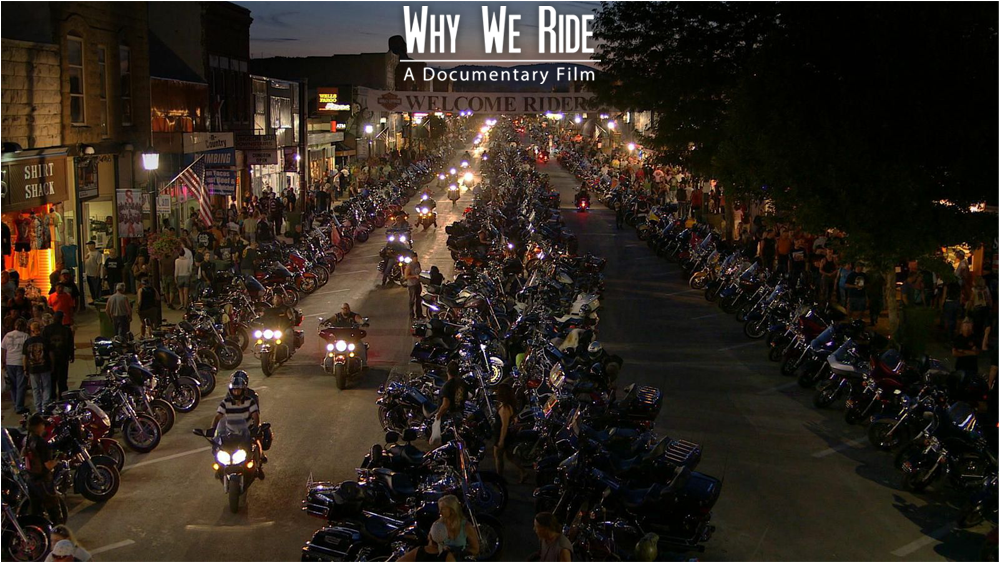
<whyweridefilm.com Sturgis>

another fantastic pic from whyweridefilm.com

I ride a motorcycle & I love it. When I was a skinny little nerdy kid it was my favorite escape. No matter how bad my days at school were, when I slid that two stroke Kawasaki around a curve in the woods behind the cow pasture & then jumped one of the hills at the side of the canal ditch I was the ultimate 6th grade badass and all was right with the world! Today most of my riding is commuting back & forth to work on my ancient Honda, but it is still my escape and when everything is just right, I still roll on the throttle exiting that last turn before a long straight and pin it to the stop, while the ghost of Hunter S. Thompson whispers in my ear, “screw it on you big pussy” as the speedometer hurtles toward that magic number that all the Ton Up Boys lived & died for. It has been approximately 37 years since I got my first motorcycle and even though age and injuries have made me more cautious it still thrills me. Just like the first time! Every time. Even when just putting around at slow cruising speeds like the old fart that I am becoming. Bottom line is, I’ll quit riding when I die.

Even if you don’t visit the website at least click on this line and go watch the trailer!   Then come back here & tell me & the rest of the world why YOU ride in the comments section. I am going to close this out by quoting from the synopsis on the movie website.

“Your senses will heighten as the world rushes in, your heart will beat to the pulse of the engine, your mind will race and set you free. Once you let a motorcycle into your life, it will change you forever.”

Sums it up for me,

Peace Y’all

The 2013 Bull City Rumble in Pictures

<Norton Commando Tank Art>

Who wants to ride this Night Train?

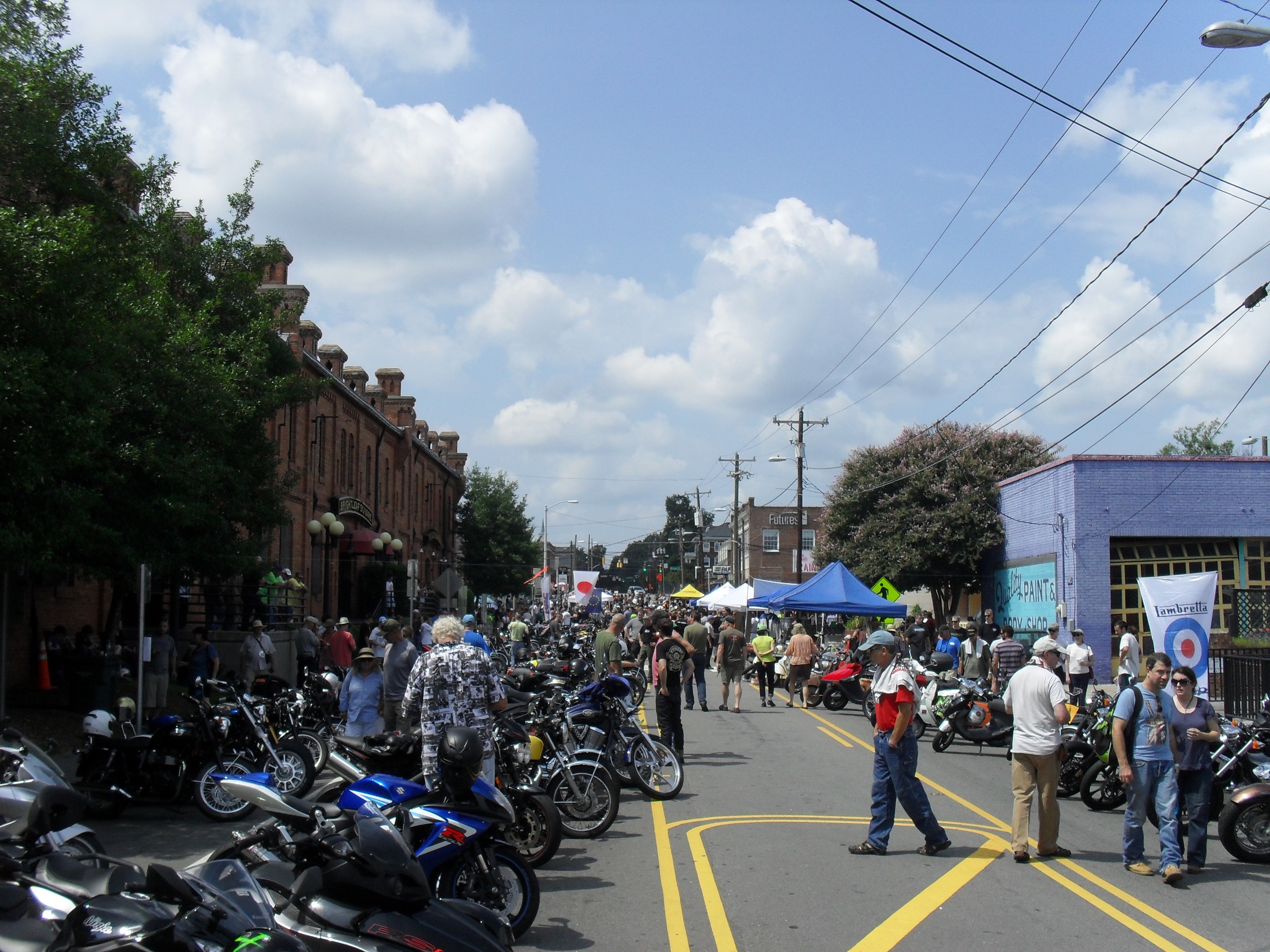
<at the Bull City Rumble>

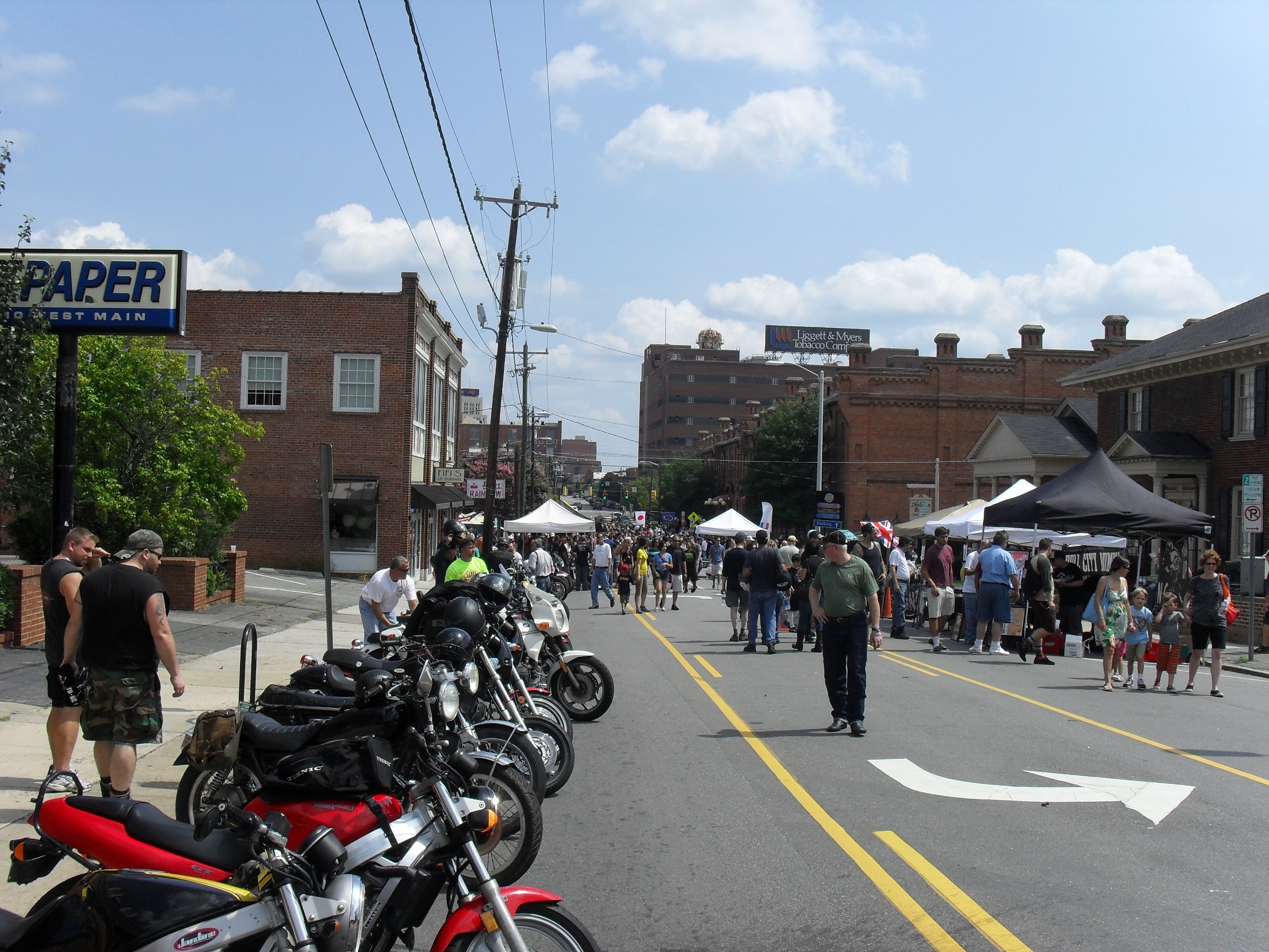
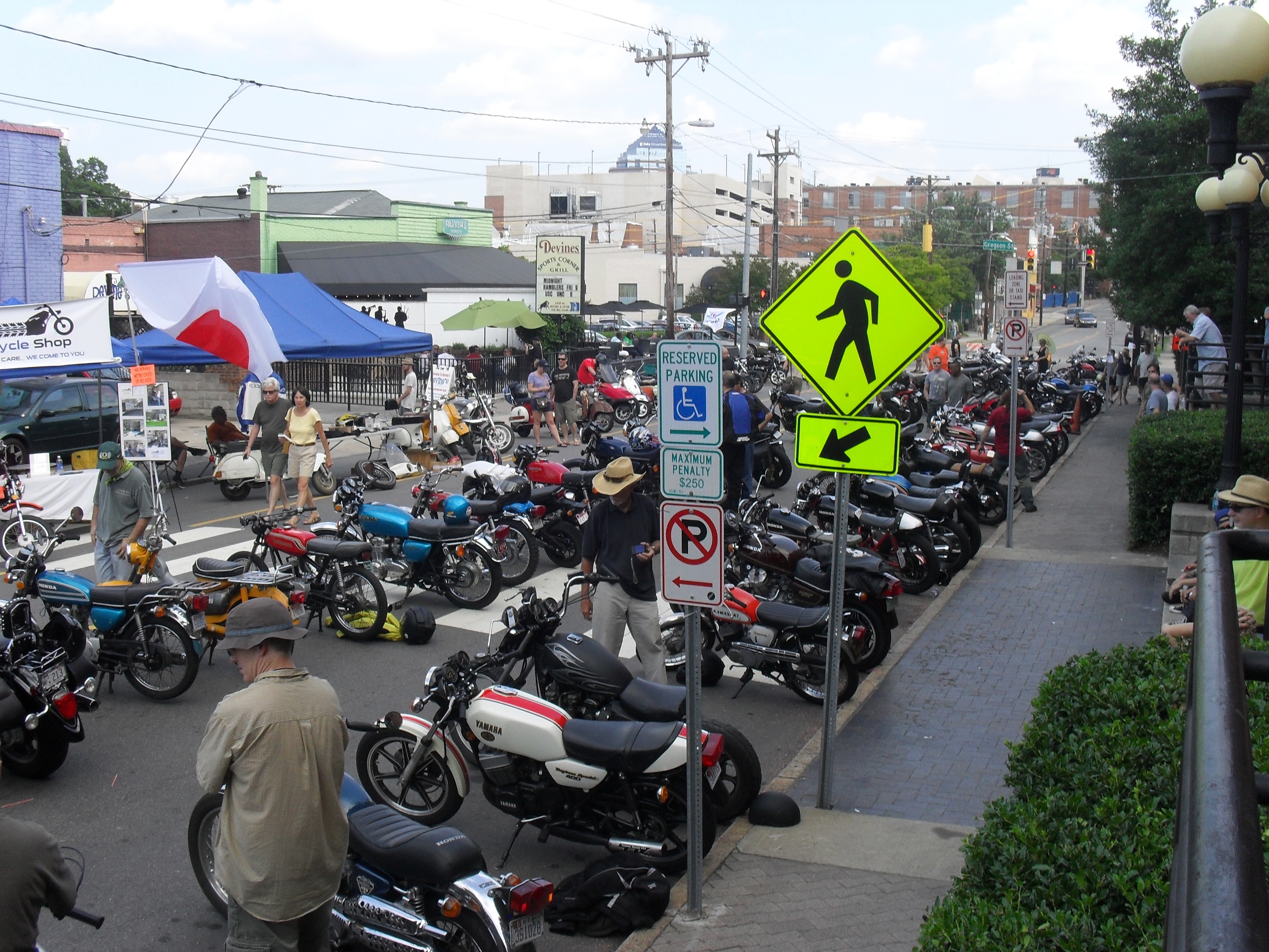
a look down the street

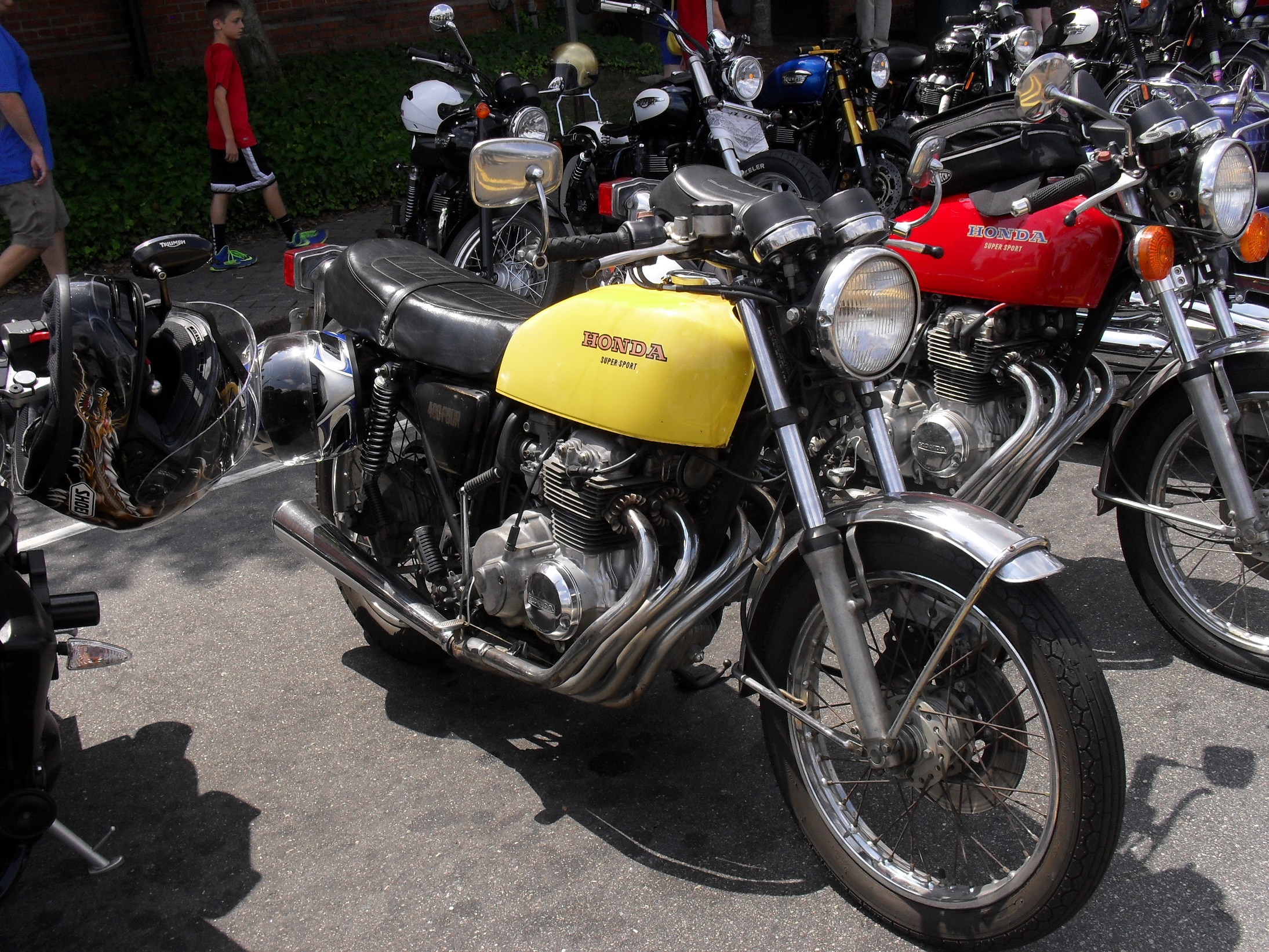
<a yellow CB400F>

The first of a pair of great looking CB400F Hondas.

<a red CB400F Honda>

a better view of the red one

<a far out Honda bobbber>

a spaced out Honda bobber

<wild chopped Honda>

the super low riding alien Honda

<kids love vintage scooters>

kids love vintage scooters

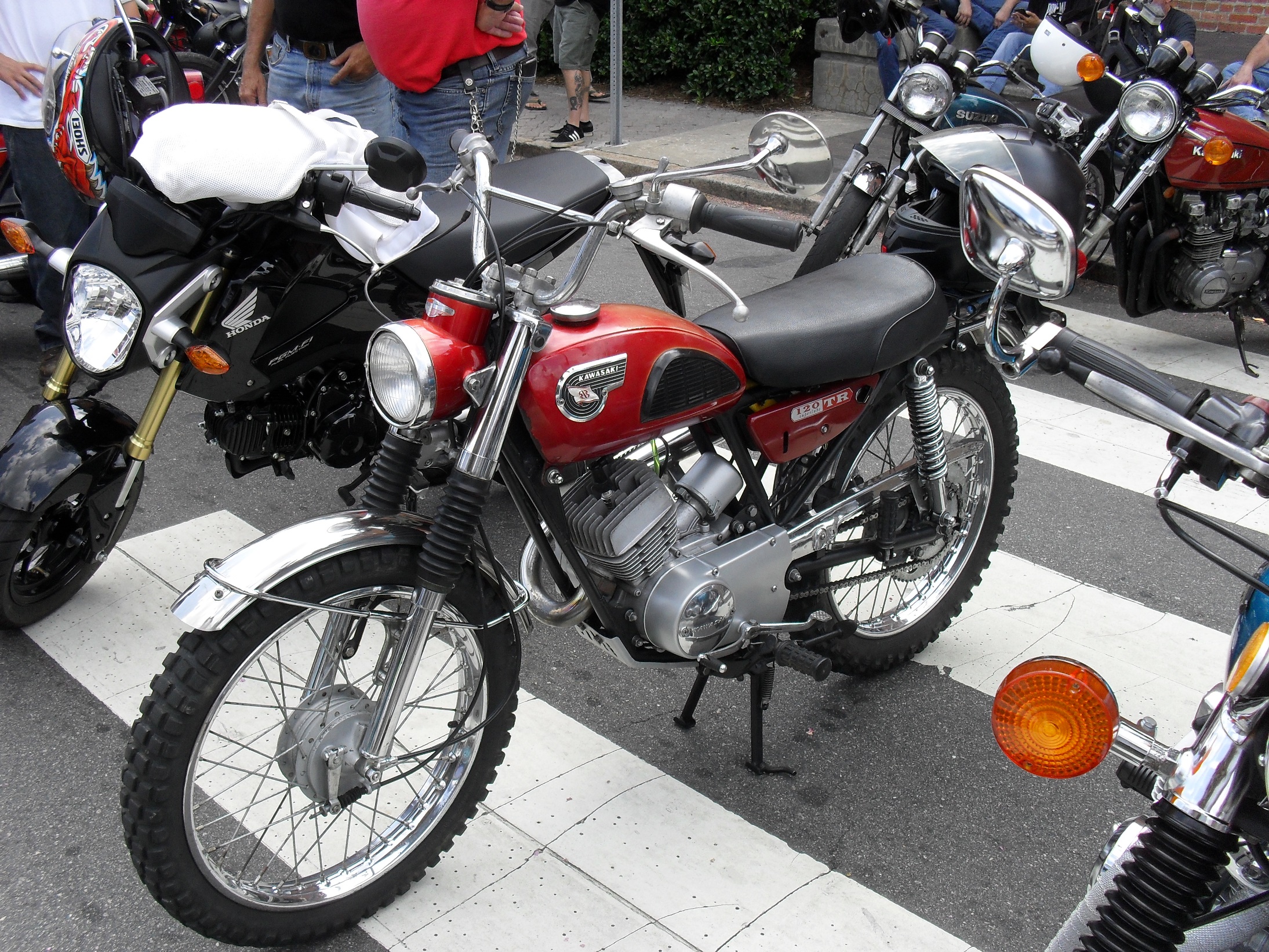
<Kawasaki 120TR Enduro>

Vintage Kawasaki Enduro

<street legal 50cc Suzuki>

Who else remembers street legal mini-enduros like this 50cc Suzuki

2 stroke Yamaha flat tracker

Check out the radial cylinder head!

<Yamaha XS650 street tracker>

a very well done Yamaha XS650 street tracker

other side of xs650

other side of xs650

organic transit pedal electric three wheeler

organic transit pedal electric three wheeler

rare Bimota Kawasaki

rare Bimota Kawasaki

Bimota Kawasaki

a better view of this exotic motorcycle

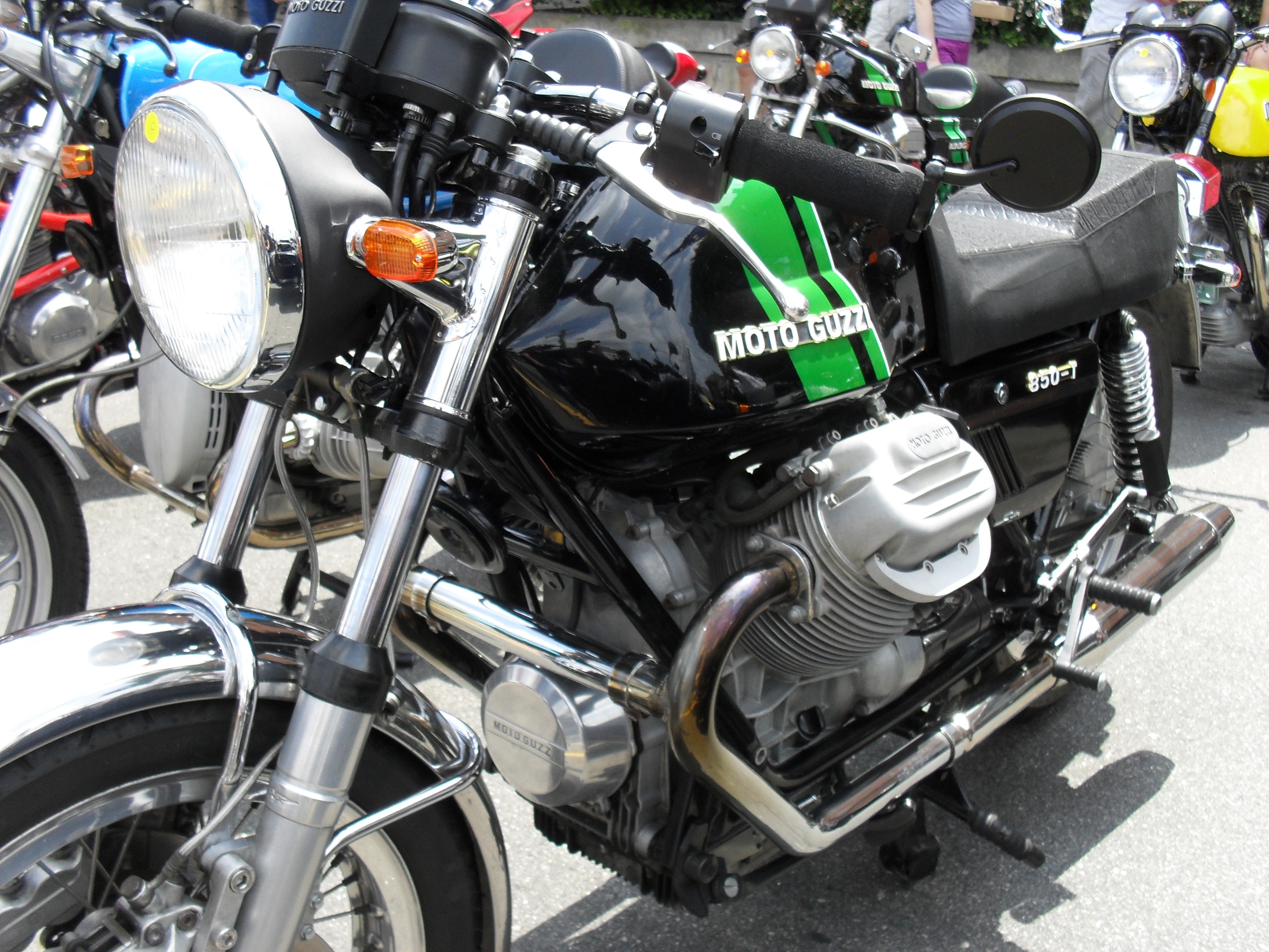
Moto Guzzi 850T

Moto Guzzi 850T

1935 Royal Enfield

1935 Royal Enfield original but not mint

35 Royal Enfield 500

35 Royal Enfield 500

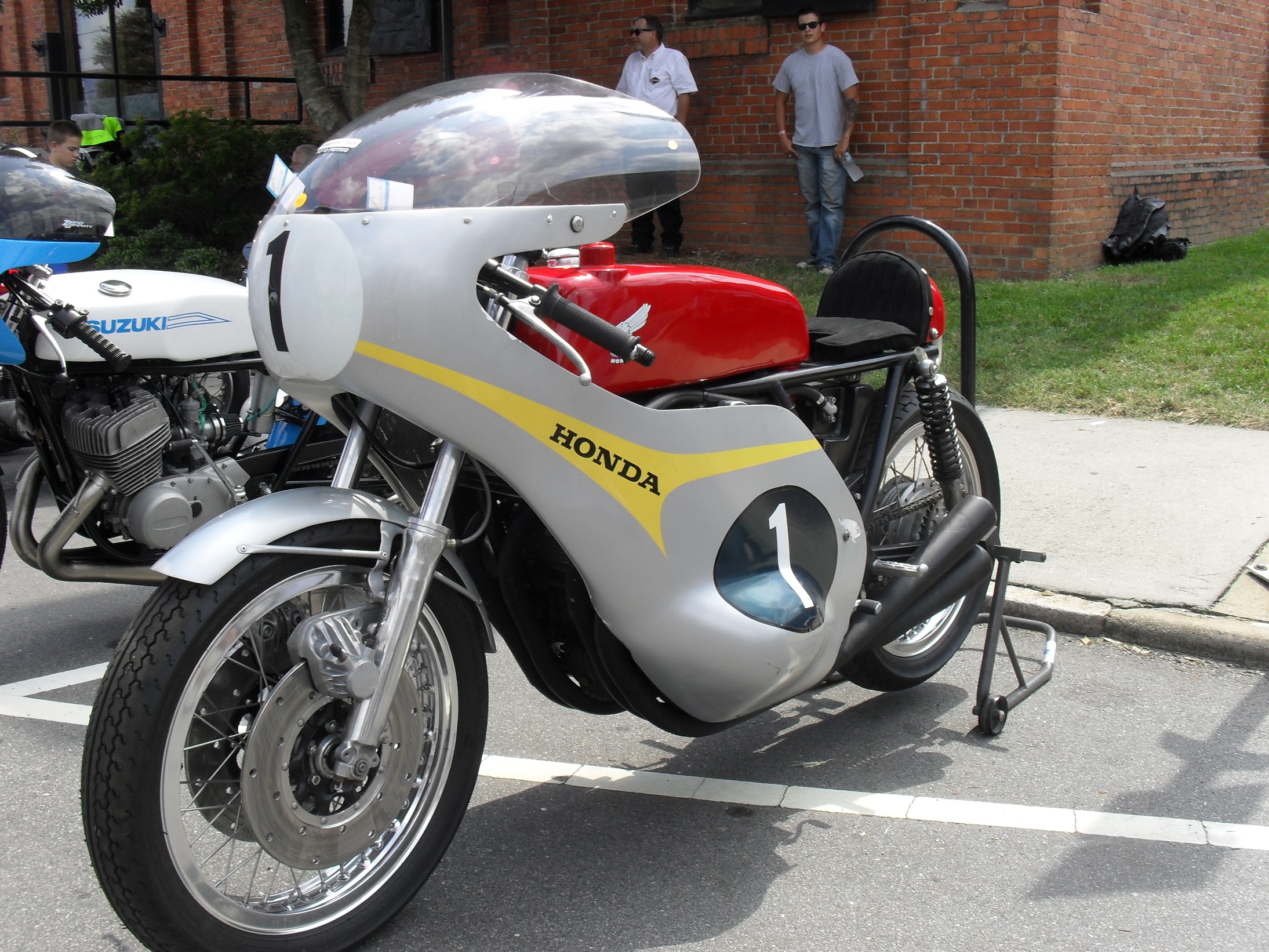
1982 National Champion Honda Superbike

1982 National Champion Honda Superbike

number 1 plate

it aint bragging if you really did it

sweet looking CR750 Honda

sweet looking CR750 Honda

Honda CR750

Got velocity stacks?

CCW Tha Heist

not in the show but too kool to ignore

 A row of British iron.

A row of British iron.

a tasty looking bathtub Triumph

a tasty looking bathtub Triumph

serious looking Norton Comando Interstate

serious looking Norton Commando Interstate

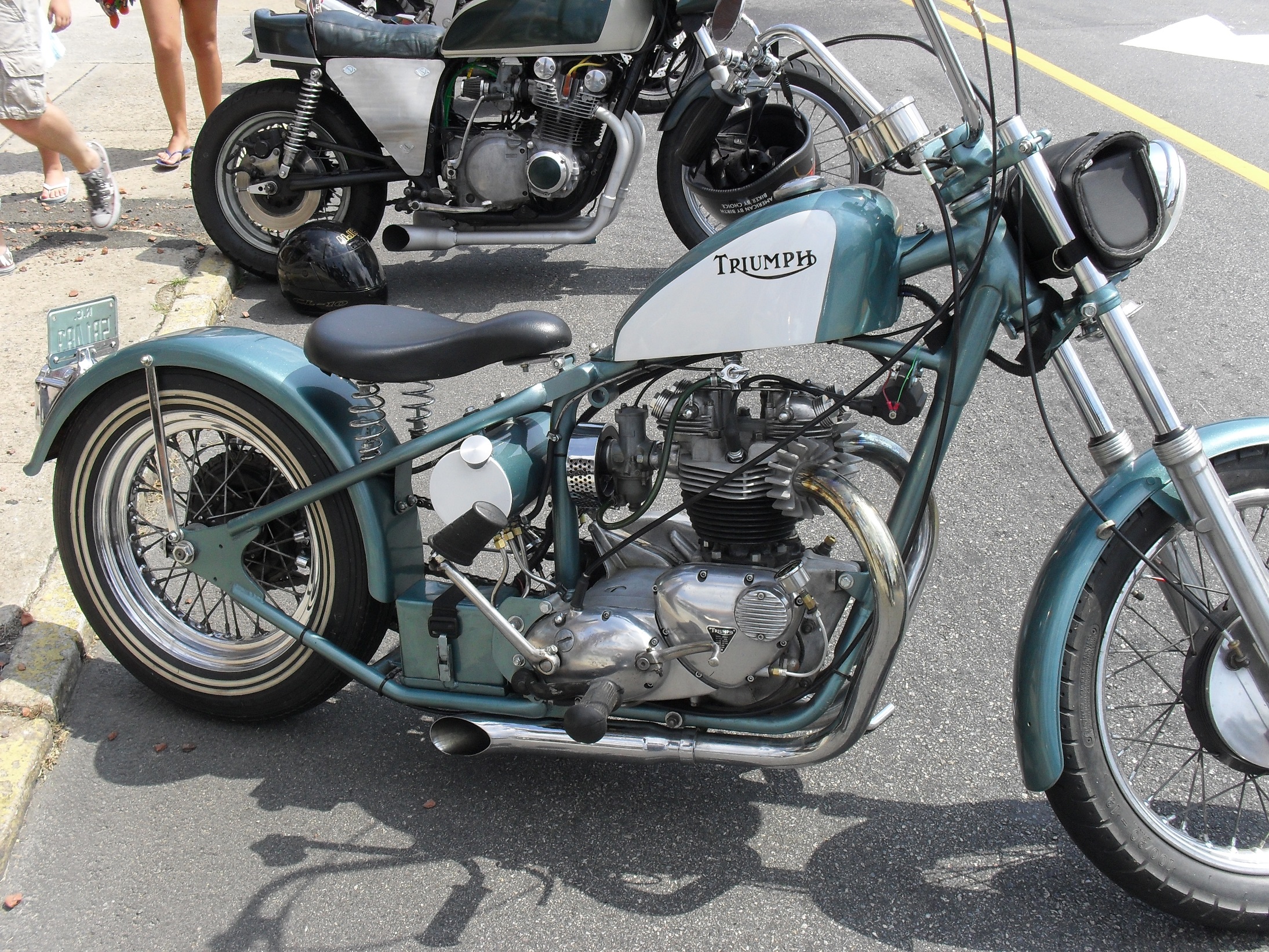
Triumph bobber

Triumph bobber

GS Suzuki

GS Suzuki

<a pic of down the street>

Henderson SuperX

Henderson Super X

super X engine

super X engine

nice red BSA

nice red BSA

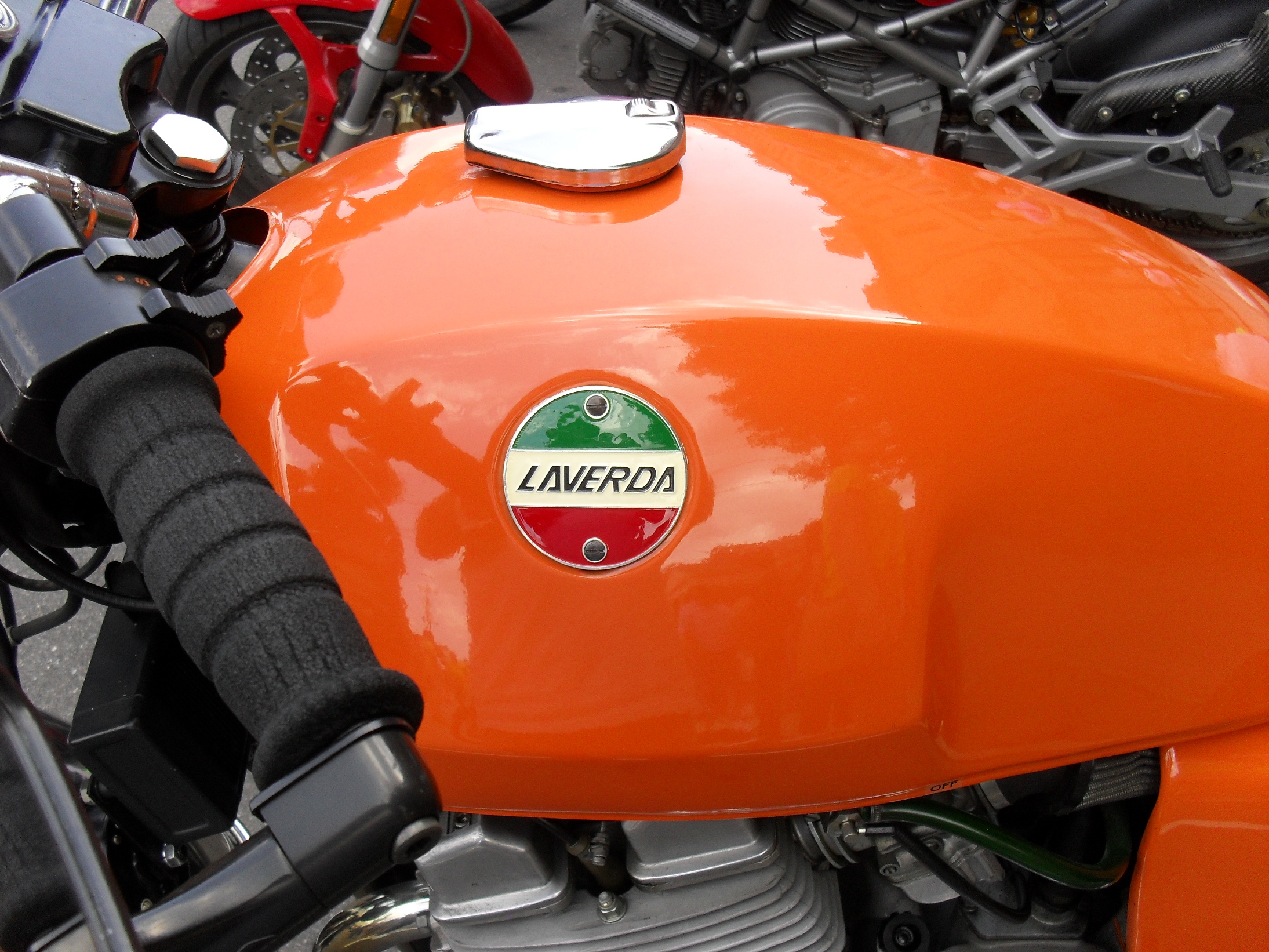
Laverda Jota

Laverda Jota

<Laverda tank close up>

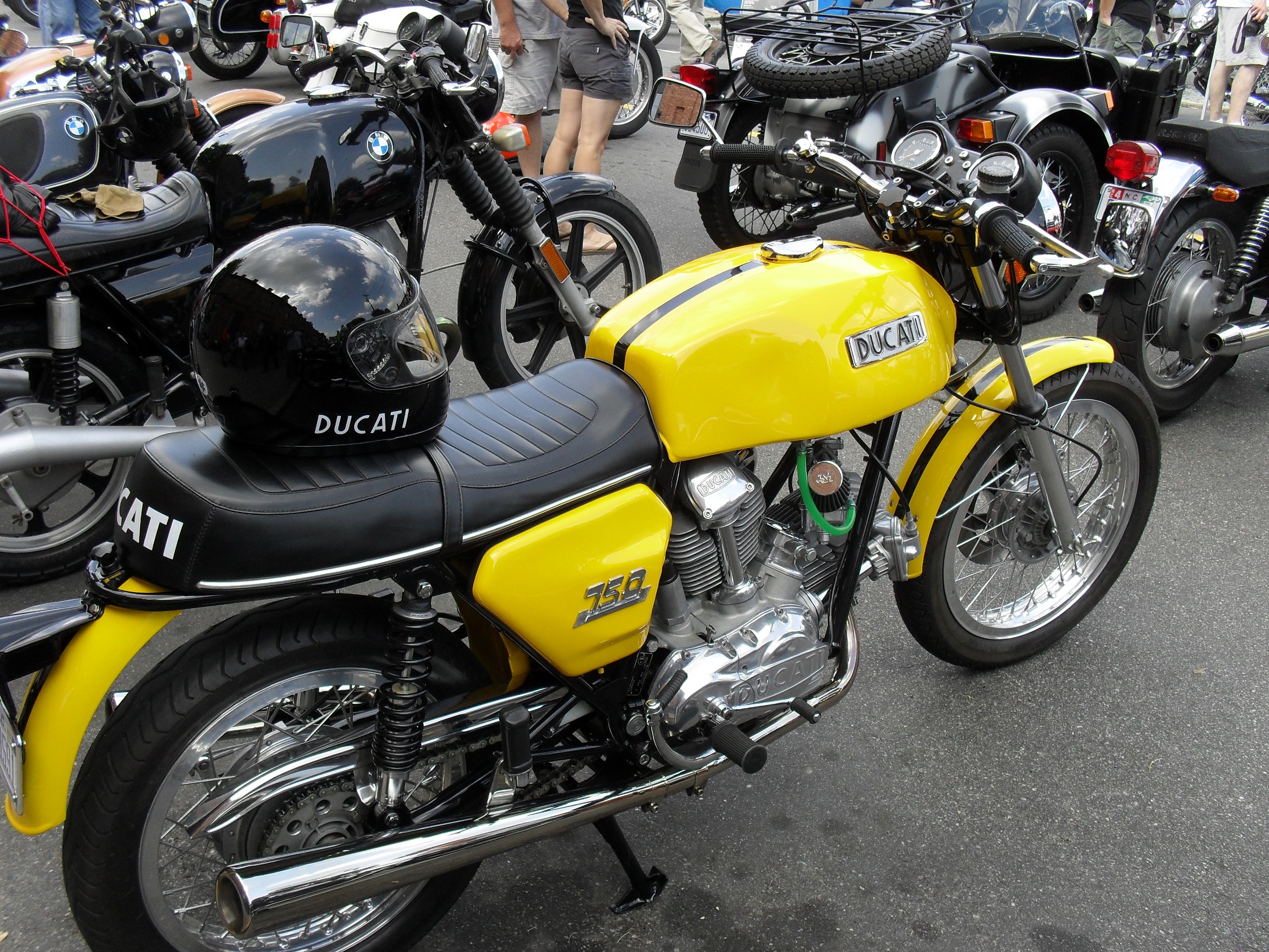
a bevy of Italian beauties

a bevy of Italian beauties

<bevel drive Ducati 750 Super Sport>

drool….

What a good looking engine.

What a good looking engine.

<registration tent Bull City Rumble

<randum bikes parked on the street>

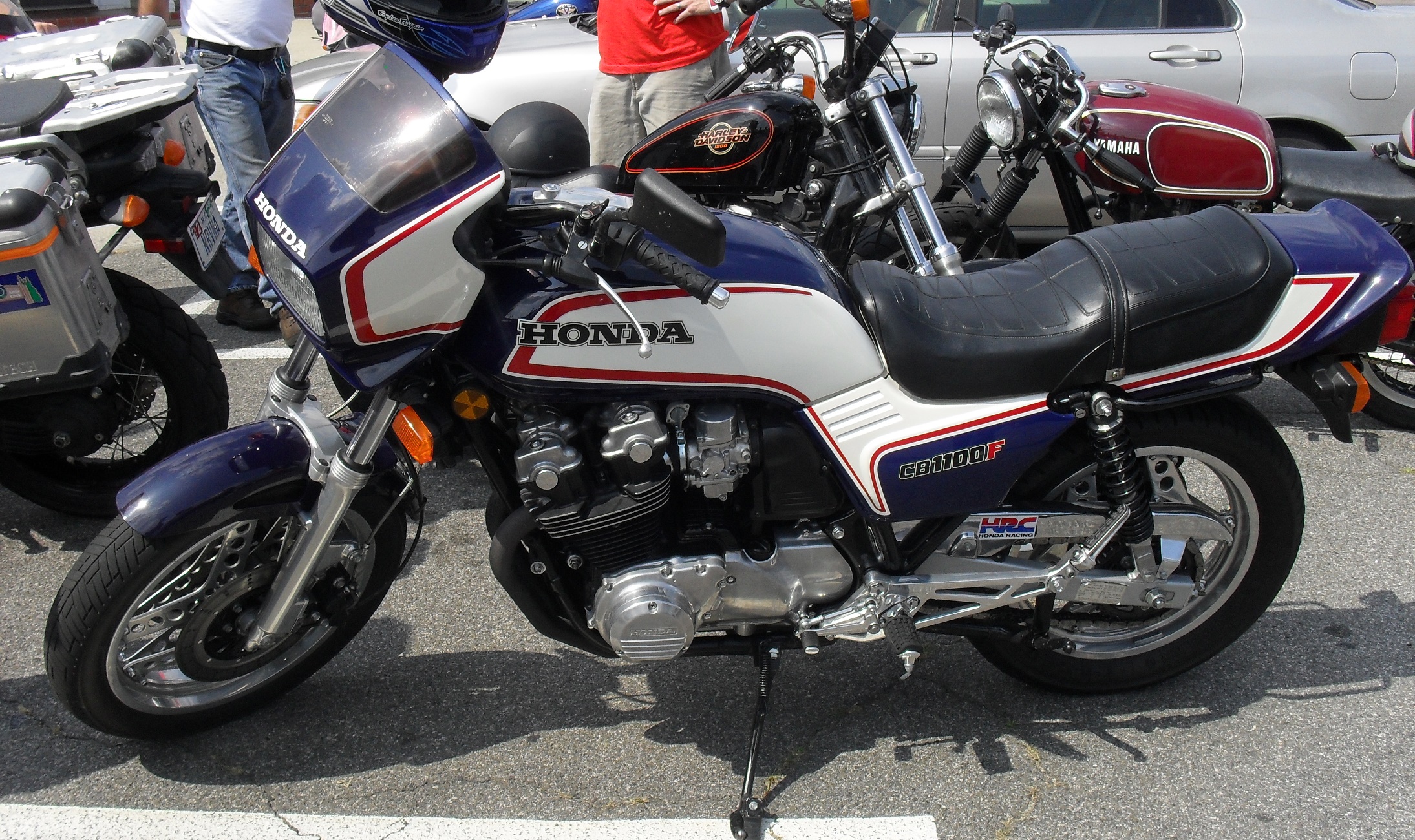
1983 Honda CB1100F

1983 Honda CB1100F

ratty old Triumph

ratty old Triumph

neat old Chevy

neat old Chevy

my CB650C and a nice CB750 Super Sport

my CB650C and a nice CB750 Super Sport

<Bull City Rumble 2013>

<Bull City Rumble 2013>

<Bull City Rumble 2013>

<Bull City Rumble 2013>

Riding into Fall!


 This morning was glorious; temperature was a very nice 67 degrees Fahrenheit (19 C) as I strapped my lunch onto the back of my old CB to come to work this morning. Later today the temperature is supposed to be back up to 90 but this morning gives the first hint of better days to come.

 Everyone knows that these old Hondas are aggravatingly cold natured even when bone stock in excellent condition. When you throw on a set of pod filters & a header you exacerbate this trait to the point that you have to be patient & let it warm up well before trying to move it. But to me it’s worth it just to hear that intake moan when you twist the right grip in anger. Properly set up on a well-tuned bike these old Keihin carburetors have a throttle response & drivability that rivals modern fuel injection, once the engine is up to operating temperature.

 After kissing my wife and telling my dog goodbye, I close my modular helmet and back out of the carport. After pushing down on the shifter and hearing the satisfying snick of first gear engaging,  I let out the clutch and head for the gravel road at the end of the drive. There are days when I miss my old Ninja & its ability to snake down a twisty paved road seemingly by thought command, but today is not one of them. On this scrambler I run twice as fast through the loose rocks and deep sand leaving my home.

 Upon reaching the pavement after looking both ways I pull out and make a quick run up through the gears relishing the delightful mechanical concerto that only an old four banger can play, especially when it is sucking in cool dense air through a set of K & N filters. It may just be in my head but to me every motorcycle I’ve ever ridden feels more powerful & somehow more alive when the weather starts to cool and the air gets denser.

 Leveling out somewhere around the speed suggestions on the road signs the cool damp air pushing through my mesh jacket gives me a little chill that is so enjoyable after the long hot summer. Right now the relative humidity is somewhere around 98%, later today when it gets hot again that will be miserable but this morning it is invigorating and I roll on the throttle some more  just to enjoy it. On days like this it is so damn good to be alive.

 Normally I try to leave the house at least 15 minutes earlier than I actually have to just because it makes such a huge difference in the traffic I encounter. Turning left off of the two lane blacktop onto a four lane highway.  I cruise toward the first small town that I will pass by on my little commute. Traffic density picks up a bit especially in the school zones, but all of the early risers don’t have to be in such an all fired hurry to get to work because they have plenty of time, so everyone is nice & polite making the drive pleasant rather than stressful. Leaving the bypass I turn down another two lane road that starts out rural but quickly turns into a crowded suburban neighborhood as you get closer to the city of Florence. Since I am early it is nearly empty, but in another 20 minutes navigating this particular road will be like driving through a pinball machine.

 There is a dense fog settled in over the little town of Quinby as I pass through, the mad commuter rush to work and school is just getting started. Visibility is maybe a half a mile and I frequently have to wipe my face shield & look out for the cages that do not realize they become invisible in the fog without their lights on. Leaving this town behind I turn right and head towards my final destination with my speed adjusted for the fog. As I am cruising along that “driver” comes flying up behind me out of the fog with no lights on of course. Young, female & aggressive, she is piloting a typical 10 ton SUV, while deeply engrossed in a conversation on the phone that she is holding up to her ear with one hand. Since there was no traffic in front of her, and she hasn’t looked at the speedometer since she got in the car she has no idea how fast she was going. Blissfully unaware that if I have to panic stop there is no way she could possibly stop fast enough to keep from running over me she pulls into position about 25 feet behind me and stays there. On one long straight stretch I deliberately slow down hoping she will pass but she doesn’t. There is no malice in her heart toward me she is just indifferent to the act of driving. I’m not in her way; she is just using me as her speedometer instead of hanging up the phone and looking at the one in her dashboard.

 Coming into the last residential neighborhood I slow down to just below the posted speed limit mindful of the numerous children waiting for the school buses that are out in the fog and ten ton Tessie in her giant white death tank actually pulls to within fifteen feet of my taillight. Knowing there is a very rough triple railroad crossing set into a high hump coming up shortly I get ready. Normally I’d slow down for this crossing but am kind of afraid to do so this morning, but hey I am riding what is basically an oversize dirt bike so at the approach to the track I stood up and gassed it sailing across the tracks and feeling nary a ripple.

 Behind me the Stupid Useless Vehicle slammed into the foot tall hump and its driver was no doubt smacked around inside of it as she panic braked across three rough train tracks. For the rest of this street she maintained a safe respectable following distance and when we reached the next stoplight she actually stopped a ridiculously long distance to my rear when just a minute earlier she had been tailgating me at 55 mph.

The last mile and a half of the trip was uneventful and pleasant and as I parked to go into the office I decided to spend my lunch hour typing this up and posting it for you. In a few hours it will be time to run the five o-clock five hundred in the 90 degree heat. But I will still enjoy the ride!

Peace Y’all

Revenge of a Junkyard Dog! (Suburban Assault Scrambler Finished!)

It seems hard to believe that it has already been six months since I dragged home a rusty non running 1980 Honda CB650 Custom that I bought sight unseen at a local junk auction for the princely sum of 150 bucks.  If you didn’t see it back then click on this link to see the before pictures. Of course along the way there were various challenges & fun but I had a blast getting this one going and as unlikely a candidate as it was for a scrambler conversion it really did turn out that the whole was greater than the sum of its parts!

Normally I am a man of way too many words so how about if this time I just show you some pictures interspersed with a few tidbits of technical information?

<next to the old yard truck>

1980 Honda CB650 with 1974 Honda CB750 gas tank & a set of 1979 CB650 standard wheels.

<1980 Honda CB650 Scrambler>

1980 Honda CB650 Custom Scrambler

The handlebars are courtesy of a 1970 Honda CL450 I just happen to have lying around. The tires are Shinko 705 adventure touring tires.

<Vintage Honda with vintage plasma cutter>

I wish I had a plasma cutter like this at home!

The green paint is a mixture of gloss green & flat black tractor enamel, & the exhaust is from Mac.

<custom Honda vintage Lincoln welder>

they don’t make machines like this vintage Lincoln welder anymore.

<custom scrambler front forks>

Don’t let the nasty looking lowers fool you, the forks have new seals, Progressive Suspension springs & fresh 10w fork oil. I decided to keep the 650 Custom fork legs for the scrambler conversion since they are longer than the 650 standard forks. When I raised the rear by switching to the 17 inch wheel & taller tire it helped to compensate for the extra rake of the custom and gave more ground clearance.

<kustom 1980 Honda CB650C>

<old Honda with giant press brake>

At this time I would like to give thanks to the wonderful folks who provide me with my day job that makes all of this possible.

Safe Harbor Access Systems for allowing me use of the old warehouse and some production areas for this photo shoot. Click here to see the stuff I spend all day drawing blueprints for! And if you see anything you need let them know where you got the information.

<a green scrambler>

Here’s some more of that headlight bracket drillium that I showed you in my last post.

<1980 CB650C headlight>

speed holes make it faster right?

I couldn’t stand the 85 m.p.h. speedometer that came on this bike, plus it was making a horrible squeaking sound, so on went the 140 m.p.h. speedo & tach from a 1976 CB750F, with green faces of course.

<cb650 engine>

Do you have any idea how hard it was for me not to attack this with the polisher?

K&N air filters hang off the back of the original carburetors, to learn what I did to them just click here. Other than a re-jetting

& a Mac pipe the engine is bone stock in all of it’s 11,000 original mile glory.

<scrambler baby!>

Slug & liquids? Sounds like the results of cheap beer & too many hot wings…

<80 Honda 650 chain guard>

I put a lot of speed holes in this one ’cause I wanted it to be really fast 🙂

Holding up the rear is a set of Progressive Suspension 412 shocks with the heavy duty springs. I have been very pleased with this suspension, it gives a nice cushy ride over some pretty rough bumps but is still firm enough to rock out on a set of curves. Well at least as much as you can with a bike like this.

<honda cb650 with flatbed>

Sometimes you just find the perfect graffiti to really set a picture off.

<Suburban Assaullt Scrambler CB650>

Beware of the Dog

Peace Y’all

‘Psyco

Vintage Piston Valve Keihin Carburetor Overhaul

Hello again everyone, Lets restore a set of carbs for this old Honda! Yes I had already turned them over one time & popped all of the bowls off and blew them out with some carburetor cleaner and put them back on to test run the old bike & see how it sounded, but it was a running a little lean with the pod air filters, plus I was installing a new exhaust  system and needed to re-jet anyway. But the single best reason I have found to go to this extreme is that there is almost nothing else that will make an old motorcycle run like new again the way a complete carburetor refurbishment will. In fact the only thing better is a new set of carbs, which if you pull your old ones apart & find severe damage or wear to the castings, is your only choice.

Here you see the four carburetors, along with a flathead screwdriver, a JIS screwdriver, a set of mini wrenches and a ratchet with a socket. This is not everything you need to completely disassemble them but it’s a good start. The patient is my own 1980 Honda CB650 Custom with a set of Keihin PD mechanically operated carburetors. Although these a very similar to the piston valve or round slide carbs used on a number vintage motorcycles these do have a few differences from the older ones. This will not be a complete step by step guide to restoring every single piece. If need to learn the basics of carburetor repair I suggest that you start by clicking here.

Instead I will focus on how to disassemble the set of carbs, and point out some of the different features along the way, along with a few tips and tricks to make the job more successful. Please note that successful does not mean easier. This is not rocket science but there are no shortcuts either.

The first step in getting a set of carburetors apart is to remove everything you can from the choke & throttle shafts. Here I am using a JIS screwdriver to remove the choke butterflies. What the heck is a JIS screwdriver you ask? Just click here to find out!

Please note that these screws are often punched from the backside at the factory to spread them out & keep them from coming loose & falling into a running engine. This often makes them a pain in the butt to remove.

Next take the tops off and remove the long screws that connect the slide lifters to the throttle shaft.

Be sure to inspect the shafts for damage like this before you start pulling the unit apart. At some point a previous owner had used a pair of pliers to move a sticky slide. To avoid damage to the bushings etc. use a strip of sand paper or emery cloth to remove anything you find like this prior to dis-assembly.

Once you have everything loosened or removed from the shafts it’s time to remove the brackets that hold the rack together. On this set there is one large bracket on the engine side & two small braces on the air cleaner side.

Then you can slide the two outer carburetors off the shafts and lay them out along with all of the parts that go between each carb. Lay everything out on your workbench in the order that it comes apart with everything facing the direction that it goes back together correctly. It just makes life so much easier. In fact if you have never done this before I suggest taking a copious amount of pictures at each stage of dis-assembly to help you remember if the doohickey is pointed toward the watcha-ma-callit or the thinga-ma-bob.

Here’s a shot of the two middle carbs with the vent hoses in the foreground  and everything else behind them.

On this motorcycle the throttle return spring is fitted between this bracket and the number three carburetor. Carefully drive out this rolled pin to remove the return spring  and remove the shaft completely from all the carbs.

Here is a shot of all the major components laid out on the bench more or less in order. Always keep the parts from each individual carburetor together, never mix them up because there are some small differences in every set even if it just wear patterns. Some machines (but not this one) may even have different jetting between different cylinders so just play it safe and don’t mix your parts.

At this point instead of a big complicated looking rack of carbs, you are now just rebuilding 4 individual carbs with only a few differences from you average

dirt-bike carburetor.

This is one thing that is found on the early emission controlled Hondas (late 70s & early 80s) is this pilot mixture screw with the tab on it to prevent it from being rotated too far in on direction or another. The float bowl must be removed first to remove these screws. Of course if you doing this for an off road, race only machine 😉 you can carefully grind the tab off before re-assembly.

Another big difference on some machines is the presence of an air cut off valve often found under a cover like this. The purpose of this valve is to temporarily restrict the flow of air through idle air circuit when the throttle is suddenly snapped shut. This helps prevent that lean backfire that occurs on some motorcycles when you suddenly let off of the gas.

These valves were later eliminated from some models but the side cover is still there, but it’s just blank. Some folks will actually remove these and solder the holes closed, then re-jet the carbs extra rich to run without them but IMHO that is not the way to go. Yes I know that at 30 to 40 dollars & up each this is a damn expensive little part, but take my word for it if you replace them you will notice difference.

One nasty little surprise is the presence of pressed in pilot / slow / idle jets. pick your terminology but all three words refer to the little brass tube you see in the picture above. If you are restoring a completely stock bike with stock mufflers and airbox then I will recommend you do everything in your power to clean it without removing it. But if you cant get it clean or if you’re like me & think stock sucks don’t fret it can be changed. As far as I know there is only one source for the pressed in jets and that is Sirius Consolidated, one of my favorite purveyors of all things for motorcycle & powersport carburetors. Click here to check them out.

If you’re planning to change them out anyway grab them with a set of pliers, twist a little to break them free & pull them out.

I finally decided to break down and try ultrasonic cleaning. This is a cheapie from Harbor Freight. For my cleaning solution I am using 1 to 1 mixture of Simple Green & water. The only real drawback to this one is that you can only get 1 carburetor in it at the time, and even then the entire carb is not submerged. I just ran every one for the maximum cleaning cycle of 480 seconds and the flipped it over and ran it for the max cycle again. Be sure to put all of the parts for each carburetor in the cleaner, including all of the internal parts, along with the fuel & air vent tubes that run between the carbs.

Being the meticulous and detailed asshole that I am even after the ultrasonic cleaning I blow everything out good with an air gun and rinse well with aerosol carb cleaner. I also use Simple Green in my parts washer & have discovered that if you don’t rinse the parts afterwards they sometimes have soap residue on them. Plus I just like to be sure that all passages are clear.

Here’s a fresh clean carburetor ready to be re-assembled with all new jets. FYI with the K&N pod filters and the Mac Exhaust I am using #42 pilot jets and #120 main jets. and put my initial pilot mixture screw setting at 2 turns out. This set up turned out to work very well with only minor adjustments after starting the engine. I actually arrived at these numbers for my initial set up after perusing hundreds of posts at the HondaCB650.com & the SOHC4.net forums taking notes and basically picking out the jet sizes most commonly reported to be working successfully in these carbs on this bike with pod filters & aftermarket exhaust. Internet research is such a great time saver but remember to put your ego aside & your bullshit detector on high. You’ll have to wade through a river of fiction to get a few drops worth of facts.

Even armed with these numbers I was prepared to pull the whole thing back apart several times to get it right, but I got lucky this time. That does not mean these jet sizes and settings will work for you & your CB650, but they are as good a starting point as any. Back in the pre-internet days I was re-jetting a moderately modified DOHC CB750F and wound up pulling the carbs off and putting them back on a dozen times before I found the perfect combination of performance and street-ability. If you are modifying your motorcycle you should be prepared to do the same.

This was not a cheap process either, I replaced every single piece of rubber & all of the jets in this set of carbs. The cost just for parts set me back over $300 bucks plus shipping. The jets, air cut off valves & the accelerator pump, all came from Sirius Consolidated, everything else is genuine Honda OEM parts, even the o-rings on the crossover pipes.

This is how the air cut off valve diaphragm, spring & o-ring fit into the body.

I preach a lot about service manuals, and yes I usually try to practice what I preach. This allowed me to verify that the float height really was supposed to be 12.6 mm like most of the fine folks on the net were saying. Trust but verify!

Lets talk about that accelerator pump thingy a little bit. It is usually mounted on the #2 carb like this one. It’s purpose is to squirt a little extra fuel into the engine if you suddenly yank the throttle open. Even though it only enriches one cylinder it helps to reduce the lean stumble that results from a sudden inrush of air when you twist the throttle as fast as you can. It’s also great to squirt a little extra fuel into the intake before starting a cold engine if needed.

It  lives under this little cover on the bottom of this carburetor.

Here it is laid out on the bench so you can see how it comes apart.

This shot is just to show you the differences in the #2 float bowl & the rest. These differences are there for the accelerator pump circuit.

At the time of this writing I have found no source for exact replacement parts for the CB650 accelerator pumps. I think this one is for a CL/CB450. The diaphragm is the same but the shaft is longer. so it will have to be cut to match the stock length.

I marked it and then clamped it into a vise with rubber jaws & then filed it to the correct length. Just remember if you get over excited & cut too much off that you have just screwed yourself out of the price of 18 bottles of Guinness Extra Stout.

Modifications are always a pain in the rear. These air filters don’t clear the choke linkage so even more modifications are required. It’s a vicious cycle I tell ya, and not for the faint of heart or the flat of wallet. Modifications beget more modifications & before you know it you have a complete custom motorcycle that will hopefully run at least as well as a stocker. ;0

Just a few more tips for you, re-assembly is pretty much the reverse of dis-assembly. Make sure you wind the throttle return spring up enough to close the slides when released, and always use some form of top quality name brand thread locker on these little screws holding the butterflies in place. If these come loose they can turn your fine running engine into junk if they get into the cylinder.

This picture shows how the spring connects the left & right choke shafts together. Once you have it all back together you should try to “bench Sync” the carbs. Basically you want to get it adjusted so that it appears the all of the slides are lifting at the same time & closing the same distance. A picture of the synchronization adjuster is shown somewhere further down in this post.

Now make sure all of the clamps are on the intake boots loosely, hook up your cables, & then lube the carb spigots & the inside of the rubber boots on the head.

Now push, pull, cuss, twist, shove & pray. If you are reusing the old boots they may be hardened and make this process a little harder. sometimes heating the rubber with a heat gun helps. Just remember that if they are damaged in any way and do not seal properly you must replace them.

Here I am clamping everything down getting ready for the initial start up. I actually started the engine and let it warm up a bit before moving on the vacuum synchronization process.

Once I was satisfied that the engine was basically running okay & that there were no fuel or air leaks I shut off the engine & temporarily installed these adapters in place of the plugs on the engine side of each carburetor. Then each adapter gets a hose between it and this set of gauges.

Before you get started with this procedure it is usually a good idea to have a fan pointed at your engine & running. Sometimes this can take awhile & you don’t want to risk engine damage.

This picture shows the location of the adjuster screw in each carb. Make sure that you always tighten the lock nut securely when you are done adjusting the carbs. The number two carburetor does not have this adjustment on it, it is the baseline and you want to match the other 3 carbs to it. When you get it done all of the needles on all four vacuum gauges should rise & fall at the same time and to the same readings. Now you can put all the tops back on the carbs & begin road testing. Most run just fine, perhaps with a little tweaking of the pilot mixture screws and idle speed if needed. Just make sure that everything else, especially the ignition system is working properly too before road testing the carbs.

Ride as safe as you can & still have fun!

Peace Y’all
A Quick Update on the Suburban Assault Scrambler!

This bike is now 90% complete and I have actually put a couple of hundred miles on it in the last week or two. The shake down runs have been encouraging once I got the final adjustment of the carbs correct and finally broke down and replaced the original 1980’s plugs with a fresh set. Speaking of the carbs, I did a full teardown & took lots of pictures and I am in the middle of writing a carburetor restoration post now, hopefully to be completed later this week. Ditto for the fuel tank mods & the paint.
Let me apologize for the fact that progress on the bike has outpaced my postings, but at this time life is so incredibly full of good things and huge opportunities that it’s a bit overwhelming for me. I will be showing you the major points that I changed on this bike asap.
BTW; it is a great commuter!

<1980 Honda CB650C>

The SAS & the Minimum Ninja bask in the sunshine outside my office.

82 Honda XL250! Another Junkyard Dog!

From a distance this one doesn’t look that terrible but once you get up close, you realize just how dilapidated it really is.

<Honda XL250>

Ahh memories…

<1982 Honda XL 250 r>

<82 xl 250>

Oh shit, why did I bring this thing home?

Oh well there’s nothing I like better than the smell of a rotten old motorcycle corpse, except perhaps the joy of re-animating it.

<rusted out motorcycle muffler>

rusted out motorcycle muffler

At this point it’s fate is still undecided, it might be a future project or it might just become ebay parts fodder.

<vintage Honda Dualsport>

<vintage honda emissions equipment>

Proof that this one is 100% stock

<dirty nasty old jug>

dirty nasty old cylinder

<vintage Honda Pro-Link suspension>


Peace Y’all


Riding a CRF150! A Psyco Used Bike Test Ride!

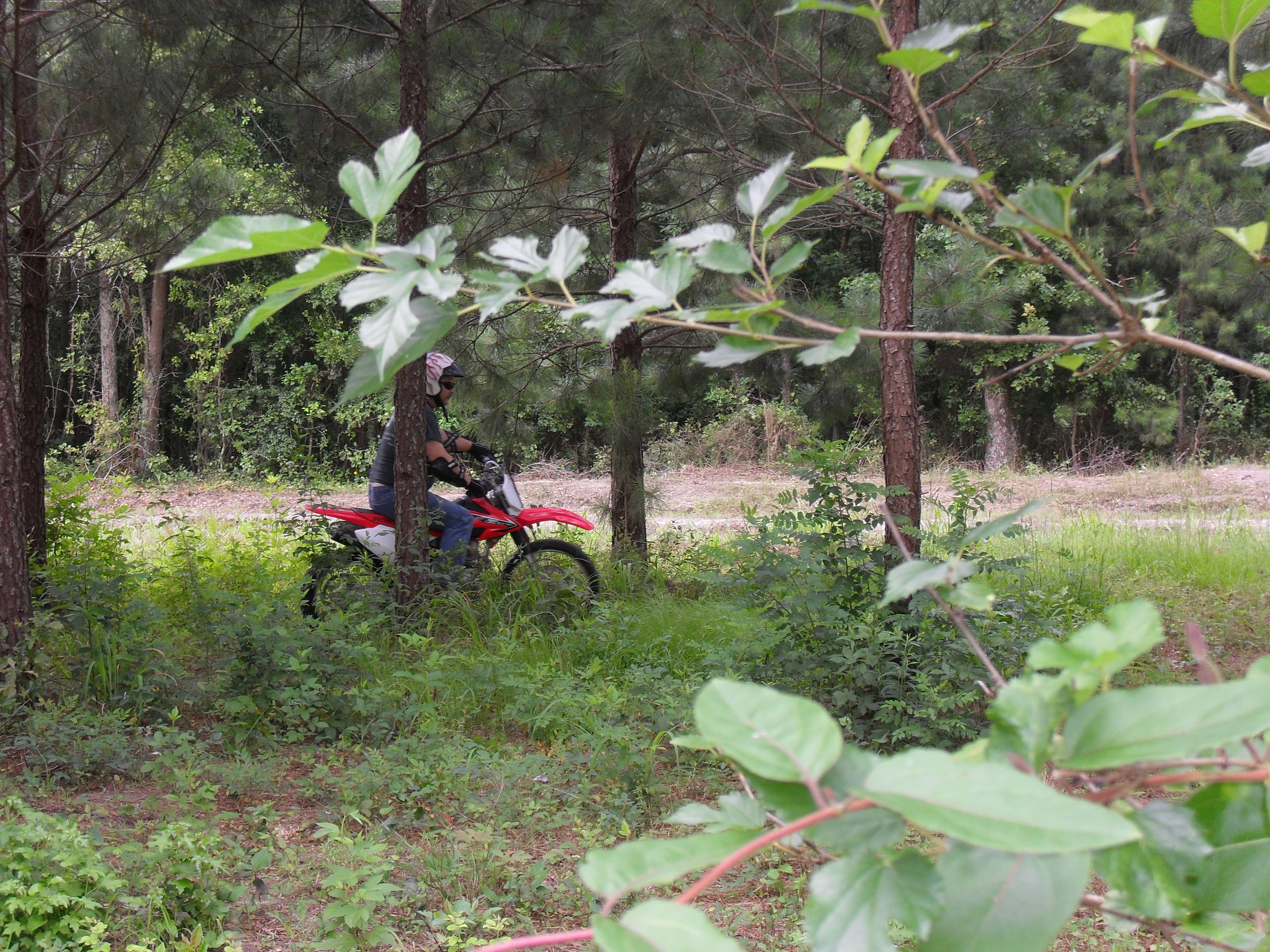
The last week or two I’ve had the privilege of having a really nice super clean late model Honda CRF150 visiting my stable for a tune up & fresh front inner tube. Since this model is still in production and seems to be the replacement for the venerable old XR200, I though I would take it for a spin. Plus it been years since I’ve had the chance to ride an “adult size” off road motorcycle.

left side view Honda CRF150

left side view Honda CRF150

One thing needs to be totally clear to anyone looking at one of these, they are play bikes first and foremost not motocrossers. The power is low, the front tire is a 19″ etc. Yes I know they get raced in the mini class but those are usually heavily modified. There is a version with the smaller wheelset for the more advanced young riders. I got to admit though with the right suspension mods and tires this thing would make one heck of a trainer for flat track or supermoto racing. If anyone has tried it send me some information, I’d like to see your set up.

Like most of us out here on the east coast I was a woods rider when I was riding dirtbikes on a more regular basis so that is how I am evaluating this bike. Nothing like running a slalom course through a bunch of Loblolly pines while bouncing over tree roots and sliding around in the leaves and pine needles. Did I mention there were a lot of thorns too? Nothing like having completely fixed and  immovable objects to possibly crash into with a motorcycle that you don’t own to get your blood flowing!

a Honda CRF 150 in the briar patch

a Honda CRF 150 in the briar patch

In the woods almost everything was just fine. Right away I could tell the suspension was definitely not set up for shall we say a “bulky” man to ride and if I tried to sit down and ride the forks would bottom out with surprising regularity. The engine has enough grunt and is geared right but chassis just isn’t up to the task of dealing with 235 pounds of fine middle aged stud sitting in the drivers seat.

a large man on a small motorcycle

a large man on a small motorcycle

Still it was a fun ride as long as I remembered to stand up on the pegs going into the rough stuff.

<standing on the pegs for picture>

As long as I kept the revs up and remembered that I could not power wheelie over fallen logs & stuff like that I had a really enjoyable couple of hours threading it through the woods and around the cornfields.

through the woods on a CRF150

through the woods on a CRF150

pine tree slalom

pine tree slalom

Then I decided to hit the dirt roads and see how it felt in the sand & the gravel at (relatively) high speed. This one wearing the original Pirelli tires and on the long sandy stretches of it was nice and stable, even holding the throttle pinned in fifth gear. The only problem was that at wide open throttle in high gear you may may be going fast enough to get hurt if you crash, but you are definitely not going fast enough to get an experienced rider’s heart rate up. When I got to the loose gravel sections though I was kinda glad to be going slow as the front end felt busy. There was never any imminently dangerous or unstable feeling, it was just a little twitchy as the rocks slid around under the tires.

Did I forget to mention the most important advantage that this and an increasing number of other modern dirtbikes have over the old ones?

magic-button-crf150

magic-button-CRF150

Yep that little magic button on the handlebar to fire it up for you. What a wonderful thing for us old guys who have had our crash damaged knees replaced with not quite as good as original equipment parts. The engine is your typical cold natured Honda & wants a good warm up before it will idle, other than that the fueling and throttle response was excellent. Shim under bucket valve adjustment means that you will seldom have to actually adjust the valves unless you are extremely cruel to your equipment or if you modify or overhaul the engine. Just feed it right, oil it, and keep the battery charged when you are not riding it and it will probably last for decades.

Normally I would recommend this bike to anyone whom has just outgrown their 80 or 100 but is not ready to move on up to a 250 class machine or to a lady of petite stature. How ever there is one other class of folks who could benefit from either this bike or it’s CRF230 stablemate. I am talking to all of you parents out there, when you get your kid an off road motorcycle, get one of these for yourself so that you can ride with them. Do it! Going trail riding on a regular basis with you child is the most fun the two of you can have. Don’t take my word for it, just ask my daughter.

Peace Y’all

Use the Right Tool for the Job! A Tech Tip & Product Review Combined!

It is time for me to make a confession of my own ignorance. For over two decades I have not been using the correct screwdrivers to work on my beloved old rice grinders. Even during the time I worked as a dealership mechanic I destroyed countless fasteners by using the wrong screwdrivers. I did find by experience, that the really high quality & expensive Snap On brand could usually remove those annoying cheesy easy to strip cheap ass Japanese Phillips screws. But even then the heads still looked mangled for some reason.  Day after day I cursed the engineers at Honda, Kawasaki, Yamaha & Suzuki for sourcing such horrible fasteners to hold such fine machinery together.

Fast forward a couple of dozen years and one day while wandering through a motorcycle show, I stop at a VJMC display and pick up a copy of their magazine.  When I finally slowed down enough to read through it a couple of weeks later I saw a really great article on the difference between Japanese Industrial Standard screws & Phillips screws as used here. It was a real eye opener, no wonder these screws were so difficult to remove. The angles of the sides and the shape of the center are just different enough to cause these two different styles not to be interchangeable.

I jumped onto the internet to research these JIS screwdrivers & found the two most commonly available brands to be Vessel & Hozan. I decided to order a 4 piece set of Hozan screwdrivers for about $25 USD.

Hozan JIS screwdrivers

Hozan JIS screwdrivers

These screwdrivers have hard plastic handles, this bugs some people but most of my screwdrivers have hard handles it  is what I’m used to. Plus they are a lot easier to clean than cushion grips. The distinctive shape keeps me from confusing them with my regular Phillips head screwdrivers which is important. They will probably bugger up a Phillips screw the same way a Phillips screwdriver buggers a JIS screw.

Even though I’ve only used them a few times I am really impressed with how much better they fit & grip the screw heads on a few dirtbikes that I am working on. And the best part of all is that the screws still look good when I am done. This is very important if you are doing restorations or building show bikes.

Save yourself a lot of trouble, learn from my mistakes and get yourself a set JIS screwdrivers. You’ll be glad you did!

A Custom Battery Tray & Other Stuff

Just thought I’d do a quick update on some of the things that I have done with my CB650 project. I have been working on it a little at the time between my normal day job, a few bikes & atv’s for other people, & some painting (airbrush practice & landscape oil painting). Since I’ve decided to go with the “rat suburban assault scrambler” look some of the things about this project have gotten easier, but other design ideas require just a little more ingenuity. Rather than sawing off the back half of the frame & welding in a new seat loop as required to get the proper cafe racer look I am opting for a modified stock seat with a 74 CB750 tank, but I still wanted to eliminate the stock side panels. My plan now is to replace the side covers with 2 pieces cut from some rusty old expanded metal sheet I have lying around. To do that I still needed to modify the mounts for the electrics, and since I will be using a Shorai lithium battery that is much smaller than stock, a custom battery tray was in order also. Since this is a rat I decided to do this with nothing but materials I already had on hand. After sitting down & staring at it a while with my note book, pencil & ruler in my hand I came up with a basic design that tucks everything up high, bolts into the stock mounts, & allows me to reuse the inner fender to protect the electronics. Here’s how it goes…

First I removed the stock battery tray, along with the airbox & some other now useless items. Then I drilled out all of the spot welds holding the mounts, & various brackets to it.

butchering a Honda CB650 battery box

butchering a Honda CB650 battery box

In the spirit of my deep back country roots I decided to make do with the stuff I had on hand & not buy any new stuff to make this from, so this left over shelf divider that was destined for the scrap bin will get to live on as a motorcycle part. Here it is with all of the brackets & mounts salvaged from the original battery box.

custom built motorcycle parts

a custom battery & electronics tray in kit form 😉

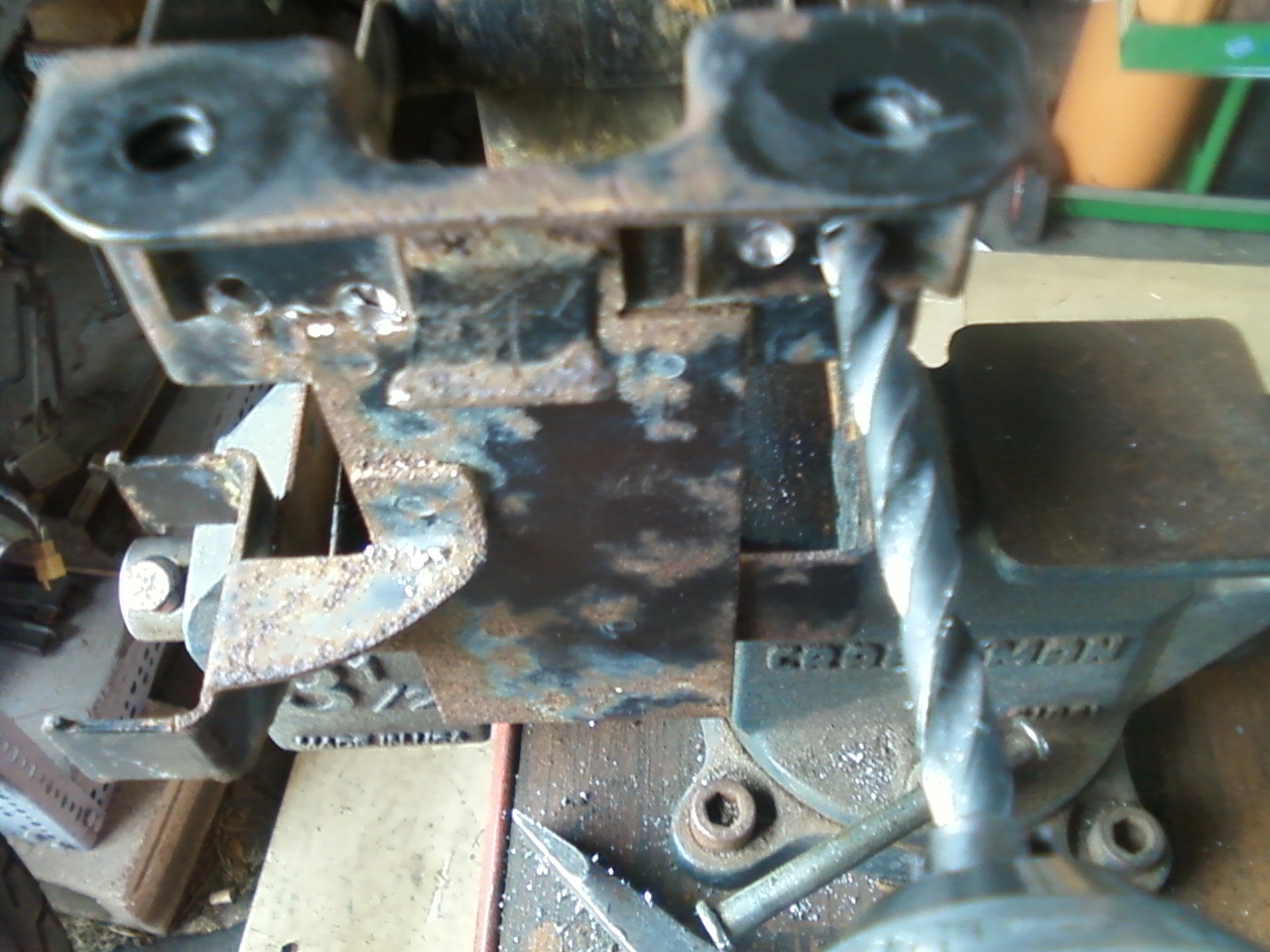
Then using my band saw I cut the tray to shape & bent it in a vise.

<custom motorcycle battery tray blank>

Then I bolted the stock mounts back into place using the original hardware & clamped the tray in between them. Since I do not have a tig box for my welder (YET) I simply use a 1/16″ 6013 rod to tack the pieces together without burning through the sheet metal too much.

tack welding battery box

tack welding battery box

After I got it tacked together with the stick welder I took it out and flipped it over & then brazed it securely together with the oxy-acetelyne torch. Then I laid out the various components such as the rectifier, turn signal flasher & etc & then brazed those mounts to the bottom of the plate.

custom rat motorcycle electronics mount

custom rat motorcycle electronics mount

I know it looks awful, but I might just leave it that way, this is a rat after all. I will have to sort & secure all the wiring though, because neatly sorted wiring is easier to trouble shoot in the future & is less likely to develop problems that need trouble shooting.

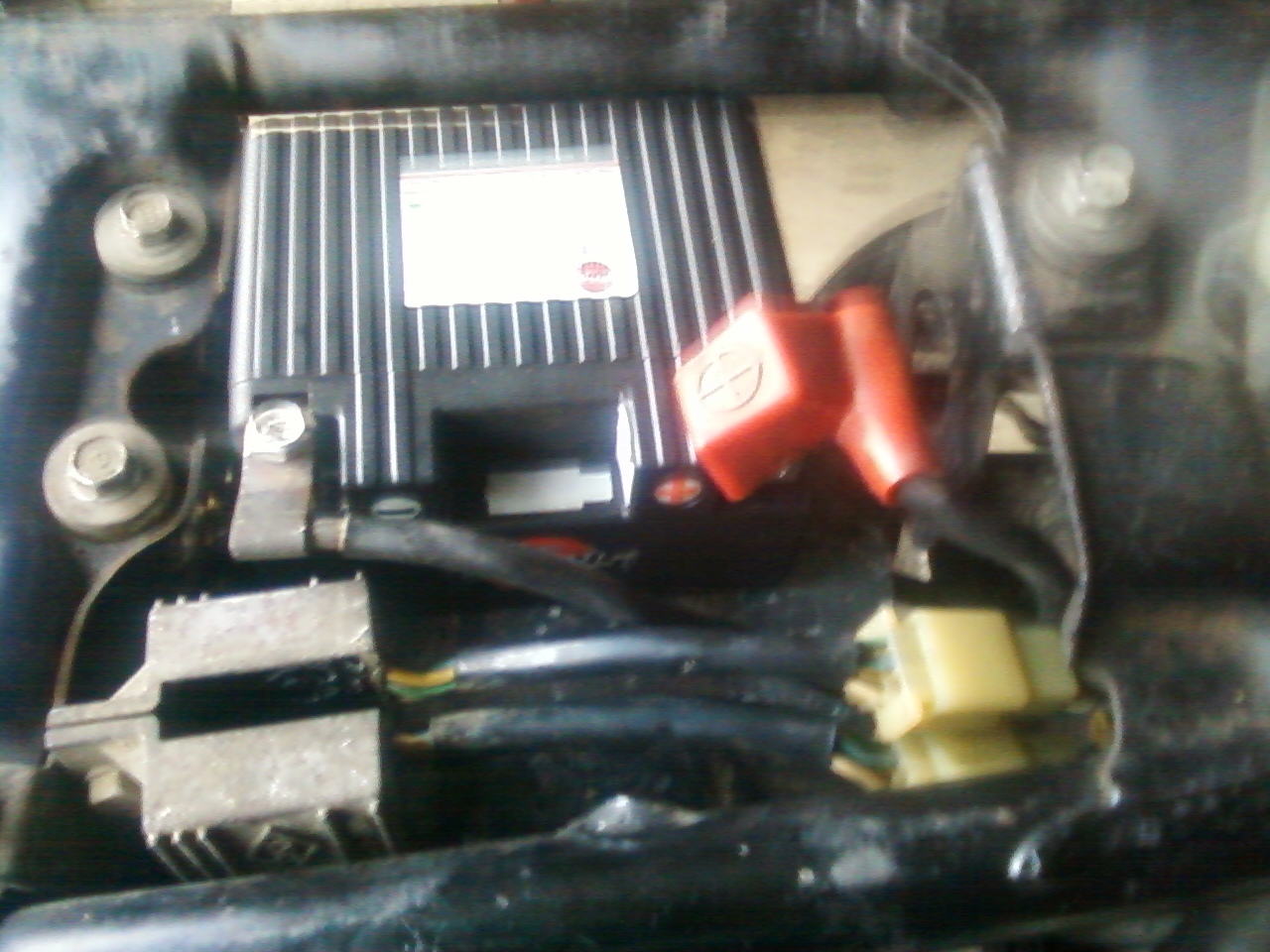
Here’s a view from the top side showing the Shorai battery lying on it’s side. I still need to make a plastic box to keep the battery from sliding around. Since my day job is doing design work using Solidworks, I may just draw one up & have it printed out using a 3d printer. If not I’ll form one out of ABS sheet.

<Honda CB650 battery box Shorai LFX>

fits just right!

I can’t say enough good things about these batteries, they’re light, powerful & durable. I’ve installed them in a couple of customer bikes, this one, and even have one in my lawn mower! Sure the cost a little more than the lead acid batteries, but are in my opinion a threefold improvement in all areas. I do sell these & would be happy to quote you one if you contact me.

Here a couple of other items that have been added, first an Ebay find of a 74 Honda CB750 fuel tank. This fit with modified rubbers & a custom rear mount. I’ll show you some more details later after I have it all worked out with the seat fitment. but I think it looks really good on here!

Honda CB650 with CB750 tank

Honda CB650 with CB750 tank

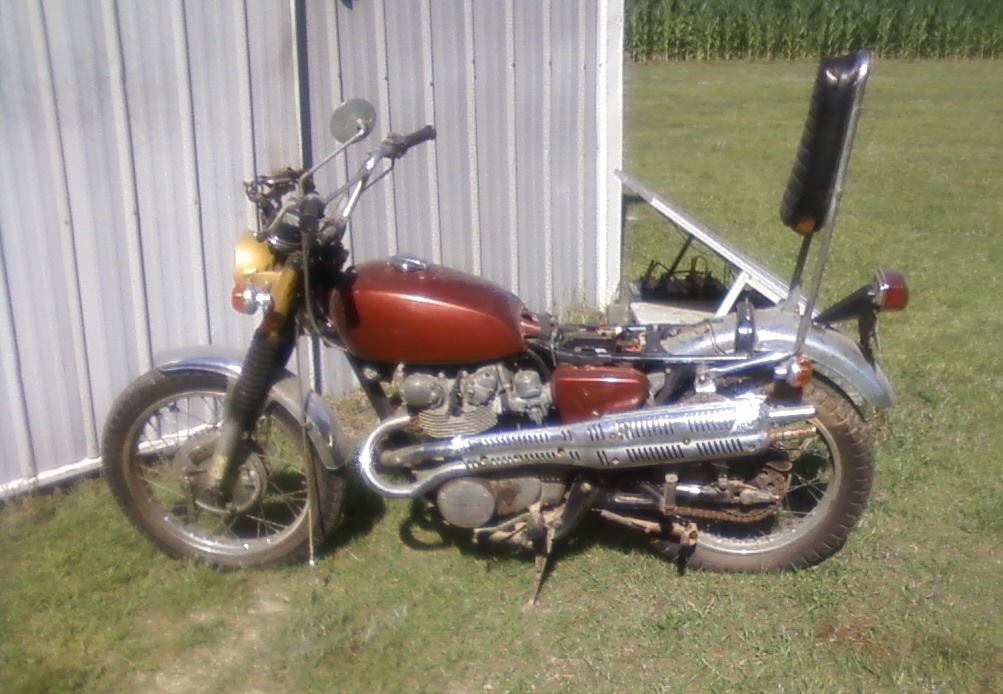
Another Ebay purchase is this 1970 Honda CL450 Scrambler. I bought the whole bike just to get the handlebars!

1970 Honda CL450

1970 Honda CL450

It’s pretty much seized up and there’s no paper work but the handlebars gave me exactly the look I wanted for my project. Good solid bars with just enough crust to blend in. No need to treat a new set of bars to a faux patina.

1970 CL450 handlebar on 80 CB650

1970 CL450 handlebar on 80 CB650

The CL450 will be parted, I plan to keep the frame, engine, carbs, gauges, charging system, fork & wheels. All of the sheetmetal and the exhaust are up for grabs to my fellow hobbyists who want them. The fuel tank is rusty bondoed junk but everything else is decent. Contact me using the form below.

I had a few other adventures including dealing with a stuck oil filter bolt that I’ll go over with you soon including how far I had to go to get it out.

Peace Y’all
Go back

Your message has been sent

Warning
Warning
Warning
Warning
Warning

Warning.